

Meta Description
Say goodbye to gas and gut issues discomfort with a diet that’s proven to work. Discover which foods reduce bloating and support long-term digestive health naturally
Introduction: Why Gut Health Is Everything
Your gut It plays a central role in your health, yet many people overlook it until they experience problems like bloating, gas, or digestive discomfort. A healthy gut’s issues impact not just digestion but also your immune system, mood, skin, and even energy levels. When your gut is happy, your whole body thrives.
Understanding Bloating
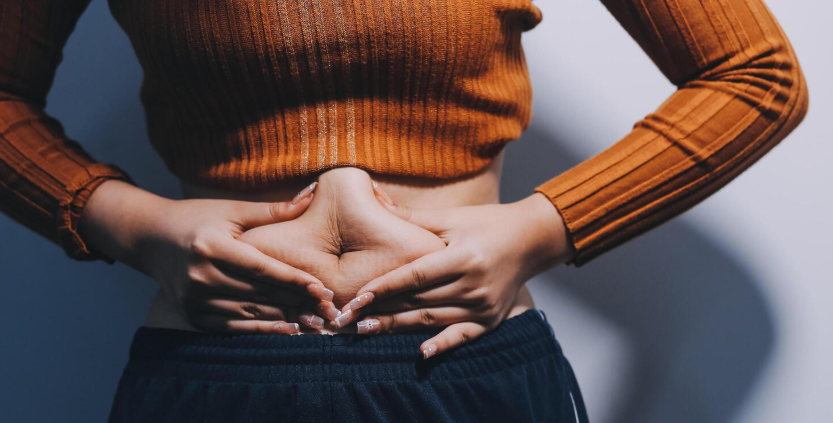
Bloating is more than just a full feeling—it’s a sign your digestive system isn’t functioning properly. It can result from gas buildup, water retention, inflammation, or even food intolerances. If your belly frequently feels tight or swollen, it may be time to focus on your gut health.
The Science Behind Bloating
Gas forms naturally during digestion, but when bad bacteria take over your gut or certain foods aren’t properly digested, gas gets trapped, causing that uncomfortable bloated sensation. Common triggers include high-sugar foods, dairy, gluten, stress, or a sedentary lifestyle.
MY PERSONAL VIEWS:
I personally struggle a lot with bloating and gut-related problems, and honestly, it can be very uncomfortable. Some days, my stomach feels heavy and swollen even if I haven’t eaten much. It’s frustrating because bloating doesn’t just affect digestion—it also impacts my energy, mood, and confidence.
From my experience, these issues often come from irregular eating habits, stress, or certain foods that my gut simply doesn’t tolerate well. For example, dairy products and processed foods tend to make things worse for me, while lighter meals with fresh vegetables, fruits, and herbal teas usually give me some relief.
I’ve also noticed that lifestyle plays a huge role. When I don’t drink enough water, skip exercise, or eat late at night, my bloating gets worse. On the other hand, practicing mindful eating, chewing food slowly, and including probiotics in my diet seem to support better digestion.
Main Causes of Gut Issues
- Poor Diet Choices
Heavily processed foods, fried snacks, refined sugar, and low-fiber diets damage the balance of your gut bacteria. When you regularly eat low-quality food, your microbiome suffers, leading to symptoms like bloating, gas, and constipation. - Food Intolerances and Sensitivities
Many people have mild sensitivities to gluten, dairy, soy, or certain FODMAP-rich foods but never realize it. These foods can trigger inflammation and disturb digestion, leading to uncomfortable bloating and sluggish bowels. - Gut Dysbiosis and Leaky Gut
Dysbiosis occurs when harmful bacteria outnumber beneficial ones. This imbalance can weaken your intestinal lining, causing a “leaky gut,” where toxins and undigested food particles leak into your bloodstream—triggering inflammation and immune responses.
The Gut-Brain Connection
The gut is often called the “second brain” because it contains millions of neurons and communicates with your central nervous system through the vagus nerve. When you’re anxious or stressed, your brain signals your gut, slowing digestion and worsening symptoms like bloating or cramping.
Healing Your Gut: Foods That Support Digestive Health
- Fiber-Rich Foods
Fiber is essential for gut health. “It nourishes beneficial gut microbes and supports smooth, regular digestion.” Foods like oats, lentils, apples, flaxseeds, and leafy greens are great sources of both soluble and insoluble fiber. - Probiotic Foods
Probiotics are living, friendly microbes that help maintain a healthy balance of bacteria in your digestive system.” Fermented foods like yogurt (unsweetened), kefir, sauerkraut, kimchi, and miso naturally contain probiotics that reduce bloating and restore harmony in the gut. - Prebiotics: Probiotic Fuel
Prebiotics are the fibers that nourish probiotics. Garlic, onions, leeks, bananas, and asparagus are excellent prebiotic foods. Including them in your diet strengthens your microbiome and improves digestion. - Anti-Inflammatory Foods
Ongoing inflammation in the digestive tract can lead to bloating and a constant feeling of unease. Anti-inflammatory foods like turmeric, ginger, salmon (omega-3 rich), blueberries, and green tea help soothe your digestive tract and promote healing.
Foods to Avoid for a Happier Gut
- Processed and Sugary Foods
Foods loaded with refined sugar, preservatives, and artificial ingredients disrupt the gut’s delicate balance. They feed harmful bacteria and promote inflammation, leading to bloating and digestive problems. - Dairy and Gluten
Dairy products containing lactose and grains like wheat, barley, and rye that contain gluten are frequent triggers for digestive discomfort.” Many people have trouble digesting them, causing gas, bloating, and cramping. Eliminating them for a trial period often brings relief. - Fizzy Drinks and Artificial Sweeteners
Carbonated drinks fill your stomach with gas, while sweeteners like sorbitol or aspartame are poorly digested, ferment in the gut, and cause bloating.

A Proven Gut-Healing Diet Plan
Key Principles
Eat whole, unprocessed foods.
Increase fiber and plant diversity.
Eliminate food triggers like dairy and gluten.
Drink plenty of water and herbal teas.
Dr. Ananya Mehta
As someone who works closely with digestive health, I believe bloating is often overlooked but deeply linked to lifestyle and diet. In my view, eating slowly, staying hydrated, and choosing gut-friendly foods like probiotics and fiber-rich meals can ease discomfort. A balanced gut doesn’t just reduce bloating—it also boosts overall well-being and energy levels.
Chew slowly and eat mindfully.
Sample One-Day Gut-Healing Meal Plan
Breakfast: Oatmeal topped with chia seeds, blueberries, and a drizzle of honey.
Lunch: Grilled salmon with steamed broccoli and quinoa.
Snack: Banana with almond butter.
Dinner: Lentil soup with turmeric, ginger, and a side of sautéed spinach.
Beverages: peppermint tea and plenty of filtered water.
A 7-Day Gut Reset Meal Plan
Day 1: Clean Start
Green smoothie (spinach, banana, flaxseed, almond milk)
Brown rice and roasted veggies
Lentil stew with turmeric
Day 2: Anti-Inflammatory Focus
Chia pudding with berries
Quinoa salad with olive oil dressing
Sweet potato bowl with black beans
Day 3: Probiotic Power
Yogurt parfait with fruit and nuts
Grilled chicken with steamed greens
Miso soup with seaweed

Day 4: Prebiotic Boost
Overnight oats with banana
Garlic hummus veggie wrap
Stir-fried asparagus and tofu
Day 5: Low-FODMAP Day
Scrambled eggs with spinach
Chicken rice bowl with zucchini
Coconut curry soup
Day 6: Hydration and Healing
Herbal teas (peppermint, chamomile)
Light soups and broths
Fresh fruits and cucumbers
Day 7: Balanced Nutrition
Smoothie bowl with seeds
Baked fish and fiber-rich veggies
Probiotic-rich dinner (kimchi, miso, etc.)
Lifestyle Habits That Improve Gut Health
- Chew Slowly and Eat Mindfully
Digestion starts in your mouth. Eating too fast means food isn’t broken down properly. Take your time, chew thoroughly, and avoid distractions while eating.
- Move Your Body
Physical activity stimulates digestion. Even a 15-20 minute walk after meals can reduce bloating and help food move through your gut more smoothly.
- Sleep Well and Reduce Stress
Your gut heals during rest. Poor sleep can disrupt your digestion, while chronic stress inflames your gut. Prioritize a calming nighttime routine and get 7–8 hours of sleep.

Helpful Supplements for Gut Healing
- Probiotics and Digestive Enzymes
These help restore healthy bacteria and aid in food breakdown. Choose high-quality probiotics with multiple strains, and take digestive enzymes with meals to ease digestion.
2. L-Glutamine and Zinc
Each supports healing of the intestinal lining while also easing inflammation.” L-glutamine is especially useful for healing leaky gut, while zinc supports immune health and gut repair.
- Collagen and Bone Broth
These provide amino acids that help strengthen your gut lining and reduce permeability, supporting long-term healing.
Track Your Progress & Know When to Seek Help
Keeping a food and symptom diary helps you understand which foods work for your body and which ones don’t. Keep a record of your meals along with how you feel physically afterward. l. If bloating or digestive problems persist, consult a gastroenterologist or nutritionist.
Conclusion
Your gut plays a vital role in your overall well-being, influencing everything from digestion and emotional balance to immune strength and energy levels.” A bloated belly is your body’s way of signaling that something’s off. By choosing gut-friendly foods, avoiding common triggers, and developing healthy habits, you can feel lighter, healthier, and more in control of your body every single day. Your gut wants to heal—give it the support it needs.
What’s the fastest way to reduce bloating naturally?
Peppermint tea, light walking, avoiding gas-producing foods, and chewing food properly can quickly ease bloating.
Are probiotics good for everyone?
Most people benefit from probiotics, but start slowly and choose multi-strain supplements or probiotic-rich foods to see what works best for you
Can stress cause bloating?
Yes. Stress slows digestion and can alter gut bacteria, leading to gas and bloating. Managing stress is key to gut health
Is dairy always bad for digestion?
“Lactose isn’t problematic for everyone, but a large number of people struggle to digest it properly. Consider cutting it out for a couple of weeks to see how your body responds.
How long does it take to heal the gut?
Some people feel better in a week, while others need a few months. The key is consistency with diet, sleep, stress management, and hydration