

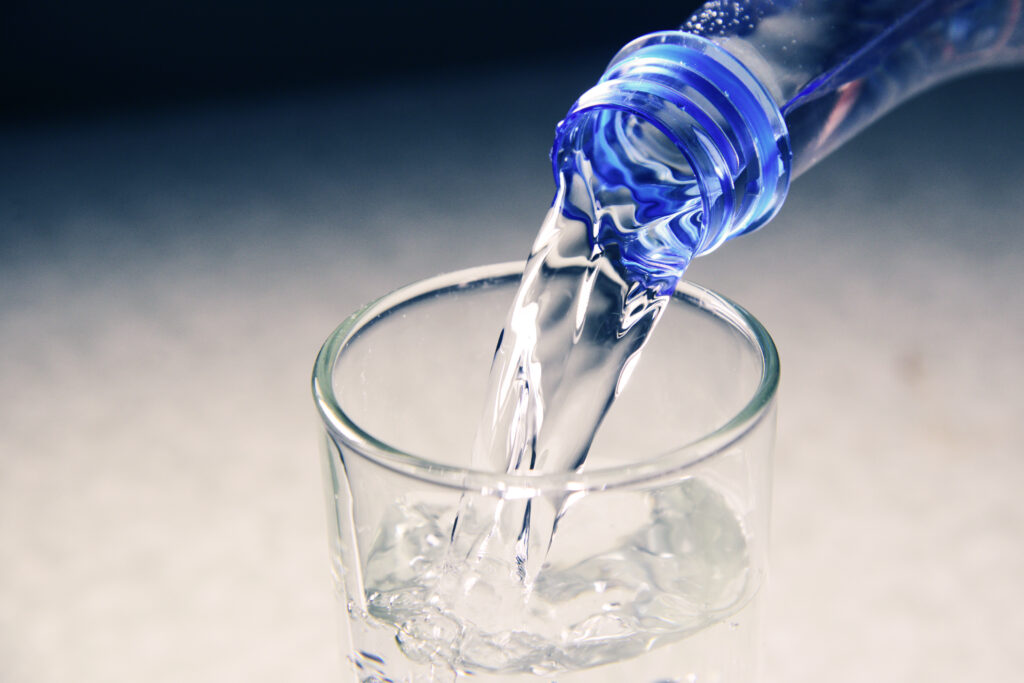
Soda water has become a popular alternative to sugary beverages. With zero calories and a refreshing fizz, it often feels like a guilt-free choice. Many people turn to it as a healthier lifestyle upgrade, especially when trying to cut back on sweetened drinks.
But is sparkling water completely harmless?
While it is generally considered safe, there are a few lesser-known drawbacks that deserve attention. Understanding these potential issues can help you make smarter hydration choices without overthinking every sip.
Why Soda Water Is So Popular
Before diving into the disadvantages, it’s important to understand why this bubbly drink has gained such widespread appeal.
A Healthier Alternative to Sugary Drinks
One major reason for its rise in popularity is its ability to replace high-calorie soft drinks. It provides the same fizzy sensation without added sugar, artificial coloring, or heavy syrups.
A More Exciting Option Than Plain Water
For many people, regular water feels bland. Carbonation adds texture and a slight bite, making hydration feel more enjoyable. This often leads to increased fluid intake overall.
Despite these benefits, there are a few surprising downsides that are not often discussed.
1. It May Gradually Affect Dental Health
One of the most overlooked concerns is the impact on teeth.
How Carbonation Creates Acidity
Enamel is the protective outer layer of your teeth. Once it wears down, it cannot regenerate. Even though soda water is far less damaging than sugary soft drinks, frequent consumption may still contribute to gradual erosion.
Signs of Enamel Wear
If enamel begins to thin, you might notice:
- Increased tooth sensitivity
- Slight discoloration
- Rougher tooth surfaces
- Greater vulnerability to cavities
Flavored versions can be even more problematic. Some include added citric acid or fruit extracts, which increase acidity levels beyond that of plain carbonated water.
How to Reduce the Risk
You don’t have to eliminate it entirely. Instead, consider these protective steps:
- Drink it during meals rather than sipping all day
- Avoid brushing immediately after consumption
- Rinse with plain water afterward
- Use a straw to reduce contact with teeth
Moderation and timing make a significant difference.
2. It Can Trigger Digestive Discomfort
The bubbles that make soda water refreshing can also create digestive challenges for some individuals.
Why Carbonation Causes Bloating
Carbonated beverages contain dissolved gas. When swallowed, that gas can expand in your stomach, leading to:
- Bloating
- Burping
- Mild abdominal pressure
- A temporary feeling of fullness
For many people, this is harmless and short-lived. However, those with sensitive digestive systems may experience more noticeable discomfort.
Impact on Acid Reflux
Individuals prone to acid reflux may find that carbonated drinks worsen symptoms. The pressure from gas expansion can push stomach contents upward, increasing the likelihood of heartburn.
Although not everyone reacts the same way, people with gastrointestinal conditions often report improvement after reducing fizzy beverages.
Listening to Your Body
If you frequently feel bloated or uncomfortable after drinking soda water, try switching to still water for a week. Monitoring how your body responds can help determine whether carbonation is a trigger for you.
3. It May Influence Long-Term Drinking Habits
This disadvantage is less about physical health and more about behavioral patterns.
Dependence on Fizz for Hydration
Because soda water feels more exciting than plain water, some people begin to rely on carbonation to stay hydrated. Over time, this can make regular water seem unappealing.
When that happens, hydration becomes dependent on flavor or sensation rather than simplicity.
Flavored Options and Hidden Additives
Some sparkling beverages contain added sweeteners, sodium, or natural flavors. While many are low in calories, they can still influence taste preferences.
Regular exposure to sweet flavors—even without sugar—may reinforce cravings for sweeter beverages. This could make it harder to fully move away from sugary drinks in the long term.
Sodium Content Considerations
Certain mineral-based varieties naturally contain higher sodium levels. While the amounts are usually small, individuals monitoring salt intake should check nutrition labels carefully.
The key concern here is awareness. Not all soda water is created equal.
Is Soda Water Actually Bad for You?
After reviewing these disadvantages, you might wonder whether soda water should be avoided altogether.
For most healthy individuals, the answer is no.
Compared to sugary soft drinks, it remains a significantly better option. It contains no added sugars, no calories, and generally fewer harmful ingredients.
The disadvantages discussed above typically arise from excessive or constant consumption rather than occasional enjoyment.
Balance matters more than complete avoidance.
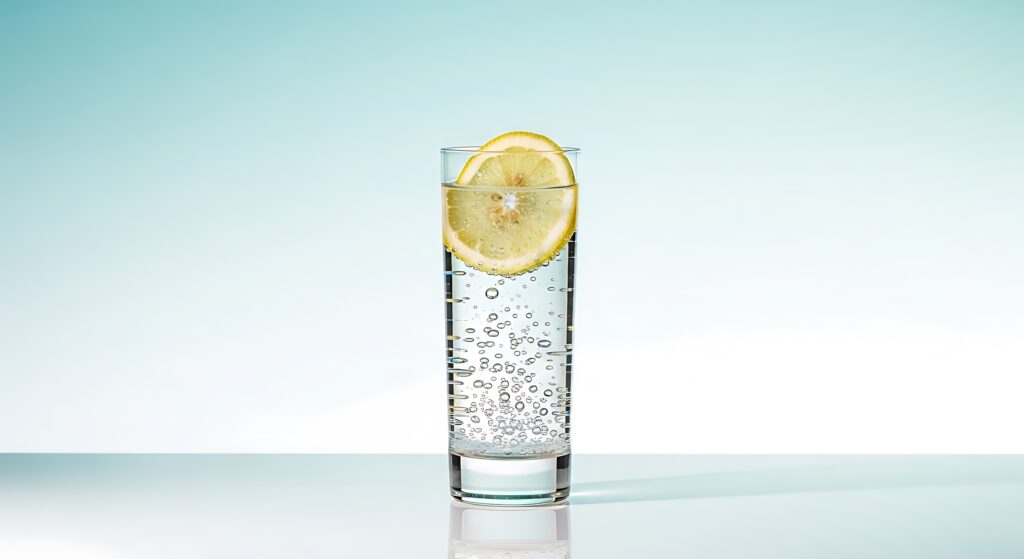
In my opinion, soda water is not as harmful as many people think, especially when compared to sugary soft drinks. I personally see it as a better alternative if someone is trying to reduce sugar intake. However, I also believe that drinking it all the time without balance is not the best idea. Plain water should still be the main source of hydration. Soda water is fine to enjoy, but like anything else, too much of it can create small problems over time, especially for teeth and digestion.
How to Enjoy Soda Water More Safely
If you enjoy carbonation but want to minimize potential downsides, follow these practical guidelines:
1. Practice Moderation
Avoid sipping continuously throughout the day. Limit intake to specific times, such as during meals.
2. Choose Plain Varieties
Unflavored options typically have lower acidity than flavored alternatives.
3. Alternate With Still Water
Switching between sparkling and plain water reduces prolonged acid exposure and limits digestive discomfort.
4. Pay Attention to Labels
Check for added sodium, artificial sweeteners, or flavor enhancers if you consume it frequently.
Small changes in habits can significantly reduce any potential negative effects.
Health experts generally agree that soda water is safe for most people when consumed in moderation. Dentists explain that it is slightly acidic due to carbonation, which can slowly weaken tooth enamel if consumed frequently throughout the day. Nutrition professionals also mention that carbonation may cause bloating or discomfort in people with sensitive stomachs or acid reflux.
Overall, experts recommend balance — choosing plain water most of the time and enjoying soda water occasionally rather than relying on it as the primary drink every day.
(FAQs)
Is soda water worse for your teeth than regular soda?
No. Regular soda contains sugar and much stronger acids, making it far more damaging. However, sparkling water is still mildly acidic and can affect enamel if consumed excessively.
Does soda water cause weight gain?
Plain soda water contains no calories, so it does not directly cause weight gain. However, flavored or sweetened versions may contain additives that influence appetite or cravings.
Can soda water cause bloating?
Yes, carbonation introduces gas into the digestive system, which may cause bloating or burping in some individuals.
Is it safe to drink soda water every day?
For most healthy people, moderate daily consumption is safe. Problems are more likely if intake is excessive or combined with poor dental hygiene.
Is sparkling mineral water different from regular soda water?
Mineral varieties may contain naturally occurring minerals and sodium. Always check the nutrition label if you are monitoring salt intake.
Conclusion
Soda water has earned its place as a popular alternative to sugary beverages, and for good reason. It offers refreshment without added calories and can help reduce reliance on sweetened drinks.
However, its bubbly appeal does come with a few surprising disadvantages. Mild acidity may affect dental health over time. Carbonation can contribute to digestive discomfort. And habitual reliance on fizzy beverages may subtly influence long-term hydration habits.
None of these concerns mean you must eliminate it completely. Instead, they highlight the importance of moderation and awareness.
When consumed thoughtfully, soda water can remain part of a balanced lifestyle—just not the only source of hydration.
Is soda water worse for your teeth than regular soda?
No. Regular soda contains sugar and much stronger acids, making it far more damaging. However, sparkling water is still mildly acidic and can affect enamel if consumed excessively.
Does soda water cause weight gain?
Plain soda water contains no calories, so it does not directly cause weight gain. However, flavored or sweetened versions may contain additives that influence appetite or cravings
Can soda water cause bloating?
Yes, carbonation introduces gas into the digestive system, which may cause bloating or burping in some individuals.
Is it safe to drink soda water every day?
For most healthy people, moderate daily consumption is safe. Problems are more likely if intake is excessive or combined with poor dental hygiene.
Is sparkling mineral water different from regular soda water?
Mineral varieties may contain naturally occurring minerals and sodium. Always check the nutrition label if you are monitoring salt intake.