


Discover the best supplements to support women’s hormonal balance naturally. Learn how to ease PMS, menopause, mood swings, and fatigue with safe and effective nutrients and herbs.
Table of Contents
Introduction
What is hormonal imbalance?
Hormones are like the body’s internal text messages—sending signals that regulate nearly every function, from mood and metabolism to menstrual cycles and sleep. But when these messengers get out of sync, chaos can follow. Hormonal imbalance occurs when there’s too much or too little of a hormone in your bloodstream, throwing your body’s systems off track.
Why Hormonal Health Matters for Women
For women, hormones aren’t just about reproduction—they’re central to emotional well-being, skin health, weight control, and energy levels. When balanced, you feel vibrant, focused, and emotionally stable. But even a slight disruption can cause big problems. That’s where targeted supplements can help restore harmony naturally.
Common Symptoms of Hormonal Imbalance in Women
Mood Swings and Irritability
Weight Gain and Belly Fat
Even if you’re eating clean and exercising, a hormonal imbalance—especially high cortisol or insulin resistance—can lead to stubborn weight gain, especially around the belly.
Low Libido and Fatigue
A drop in estrogen or testosterone can zap your sex drive and energy. Feeling exhausted all the time isn’t normal—it’s your body’s cry for balance.
Irregular Periods and PMS

Missed periods, heavy flows, or extreme PMS symptoms like cramps, headaches, and bloating may all point to hormone dysfunction.
Top Causes of Hormonal Imbalance
Poor Diet and Nutrient Deficiency
Processed foods, too much sugar, and lack of essential nutrients like magnesium, zinc, or B vitamins can wreck your hormonal rhythm.
Chronic Stress

When you’re stressed, your body pumps out cortisol. Long-term, this stress hormone can block progesterone production and spike estrogen—throwing your whole system into disarray.
Birth Control and Medications
Hormonal birth control may mask underlying imbalances and contribute to symptoms like mood disorders or nutrient depletion.
Aging and Menopause
Hormone levels naturally decline with age. Perimenopause and menopause shift estrogen and progesterone dramatically, triggering symptoms like hot flashes, insomnia, and mood swings.
The Role of Supplements in Hormonal Health
Why Supplements Are Effective
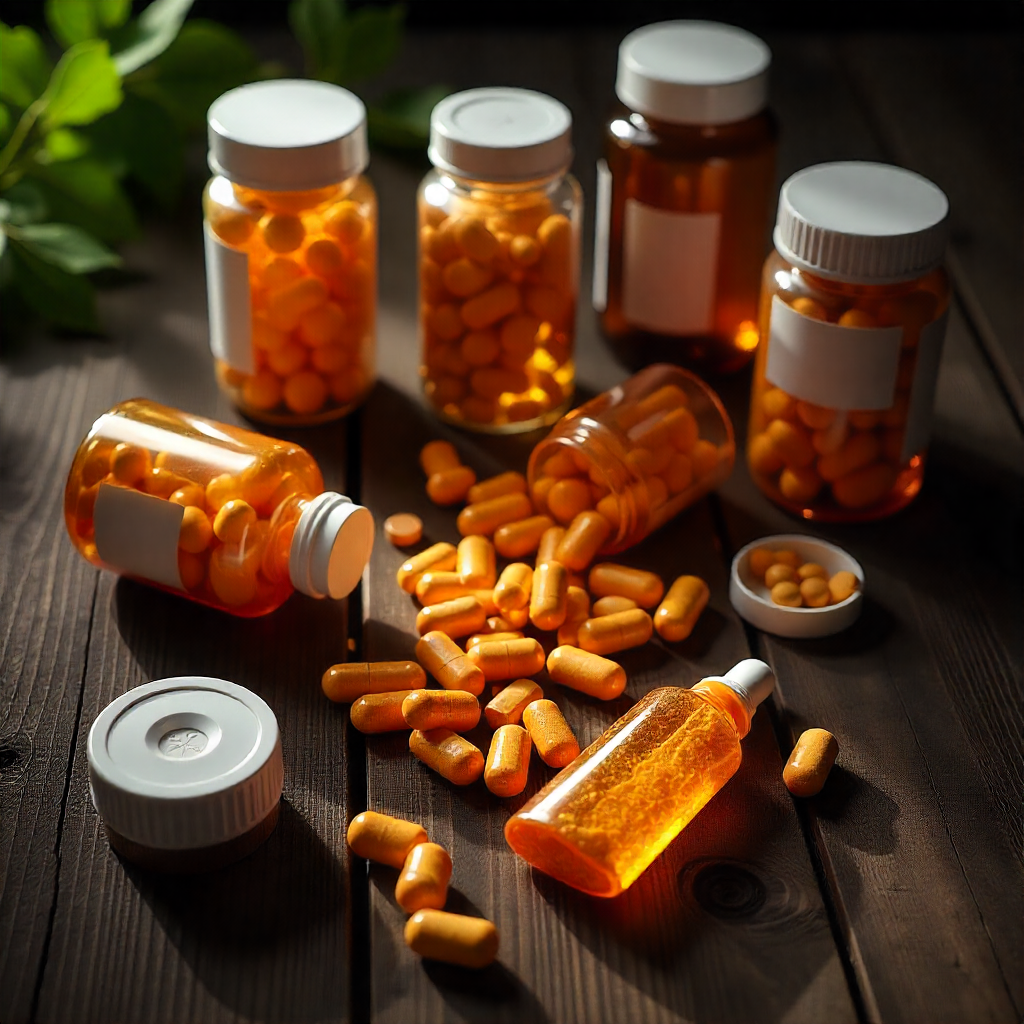
Supplements can gently nudge your body back into balance. They provide key nutrients your body may be lacking or compounds that support hormone production and detoxification.
Natural vs. Synthetic Options
Natural supplements, like herbs and whole-food-based vitamins, are often better tolerated and work in harmony with your body. Always go for trusted brands with clean labels and third-party testing.
Best Supplements for Hormonal Balance in Women
- Maca Root
How it Works
This adaptogenic root from Peru helps regulate estrogen and progesterone levels, especially during PMS and menopause.
Best Time to Take It
Morning, with breakfast—it can give a nice energy boost!
- Vitex (Chaste Tree Berry)
PMS & Fertility Benefits
Vitex supports the pituitary gland, which controls reproductive hormones. It’s amazing for reducing PMS, acne, and cycle irregularities.
Precautions
Don’t combine with hormonal birth control—it may reduce effectiveness.
- Magnesium
Stress Relief & Sleep Regulation
Magnesium soothes the nervous system, supports cortisol regulation, and promotes better quality sleep.
Recommended Dosage
300-400 mg daily, preferably at night.
- Omega-3 Fatty Acids
Inflammation Control
These essential fats help reduce inflammation and support hormone receptor sensitivity, especially for estrogen.
Food Sources vs. Supplements
Fatty fish, walnuts, flaxseed—or get a good quality fish oil supplement.
- Vitamin D
Hormone Production Support

Unlike most vitamins, vitamin D behaves like a hormone in the body and is essential for regulating the synthesis of estrogen and progesterone.
Low mood, fatigue, frequent illness. Get your levels tested!
- Ashwagandha
Stress & Cortisol Balancer
This powerful adaptogen helps manage stress and supports thyroid health—key for hormone balance.
Who Should Avoid It
Avoid if you have hyperthyroidism or are on thyroid medication unless cleared by your doctor.
- B-Complex Vitamins
Mood, Energy & Metabolism
B6 helps with PMS and mood swings, while B12 and folate help with energy and red blood cell formation.
- DIM (Diindolylmethane)
Estrogen Metabolism Support
Naturally present in cruciferous vegetables, DIM supports your body in breaking down and flushing out surplus estrogen efficiently.
Lifestyle Tips to Maximize Supplement Benefits
Clean Eating and Balanced Diet
Focus on whole foods—lots of veggies, lean proteins, healthy fats, and fiber. Ditch refined sugar and caffeine overload.
Exercise and Movement
Daily movement—whether it’s strength training, yoga, or walking—helps regulate insulin, cortisol, and estrogen.
Mindfulness and Sleep
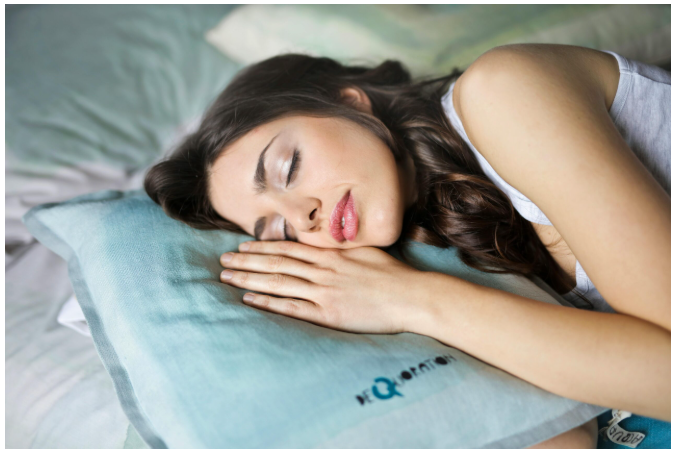
Deep breathing, journaling, and aiming for 7–9 hours of quality sleep can reset your body’s hormone-producing clock.
When to See a Doctor
If symptoms persist despite lifestyle changes and supplementation, it’s time to check in with a healthcare provider. They can run tests for thyroid, estrogen, progesterone, cortisol, and more—giving you a clearer picture of what’s going on inside.
Conclusion
Hormonal imbalances can feel like a constant battle—but you don’t have to suffer silently. With the right supplements, nourishing lifestyle changes, and self-awareness, your body can find its rhythm again. Whether you’re tackling PMS, mood swings, or menopause, start small and listen to your body. Nature has your back—let it guide you toward balance.
1. How much time do hormonal supplements typically need to show noticeable effects?
Typically, 4 to 12 weeks of consistent use. Results vary based on your body, the supplement, and lifestyle
Can I take multiple hormonal supplements together?
Yes, but consult a healthcare provider to avoid overlaps or interactions
Are hormonal supplements safe during pregnancy or breastfeeding?
Most herbal supplements aren’t recommended during this time. Always check with your doctor.
Can supplements replace hormone therapy?
They may help in mild to moderate cases, but severe imbalances may still require medical intervention
Should I stop taking supplements during my period?
Nope! Most supplements work best when taken consistently throughout the cycle