

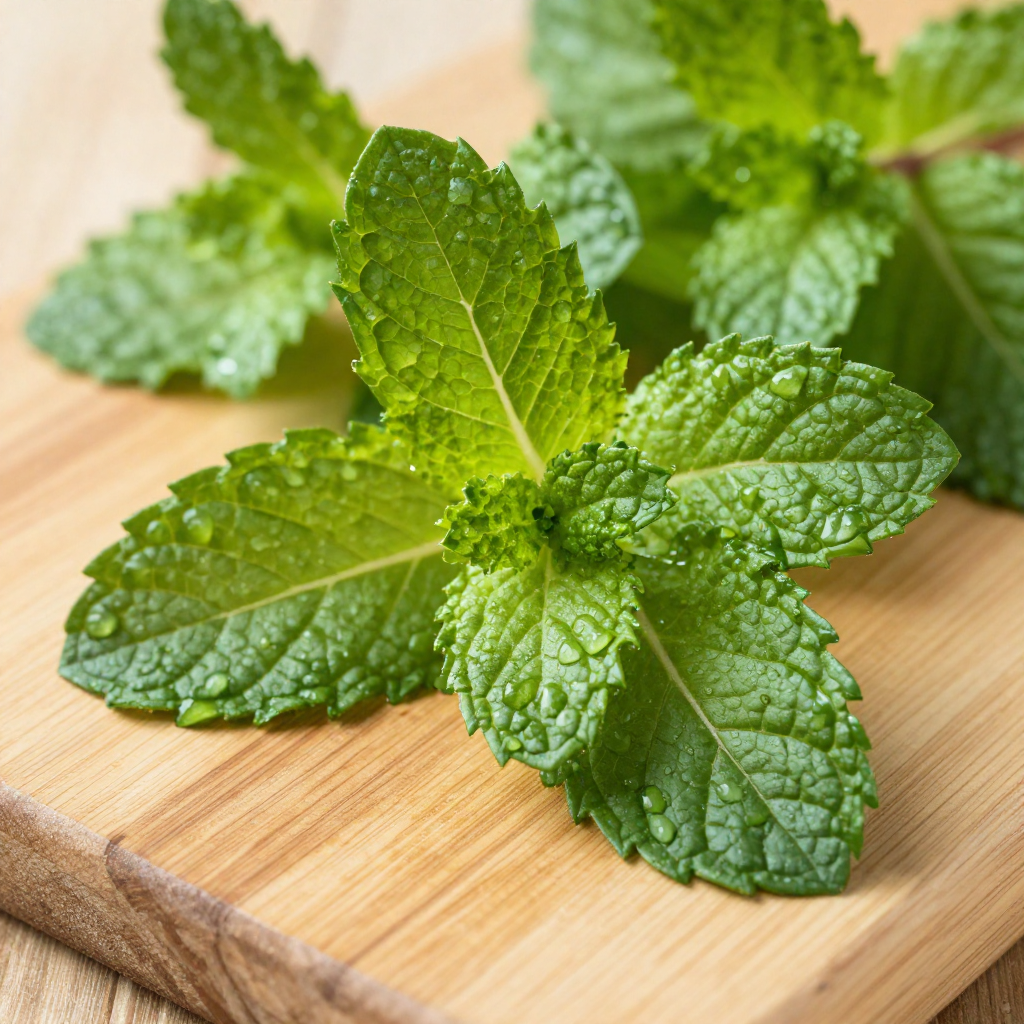
Mint is one of those humble herbs that most people treat like a garnish. It decorates plates, flavors chutneys, and floats in lemonade. But reducing mint to a decorative leaf is like calling a smartphone “just a flashlight.” Biologically, mint is active, complex, and surprisingly powerful.
The mint family belongs to the genus Mentha. The most widely used varieties are Mentha piperita (peppermint) and Mentha spicata (spearmint). These plants contain menthol, menthone, rosmarinic acid, and flavonoids—compounds that explain mint’s cooling sensation, digestive benefits, and antimicrobial properties.
1. Improves Digestion and Reduces Bloating
Mint is best known for digestive relief, and this reputation is not random folklore. When muscles relax, trapped gas passes more easily and cramping reduces.
Mint may help with:
- Indigestion
- Gas and bloating
- Mild stomach pain
- Nausea
Peppermint oil has been studied in people with IBS (Irritable Bowel Syndrome). Research suggests it can reduce abdominal discomfort and spasms. That effect comes from muscle relaxation and anti-inflammatory action — not magic.
However, mint is not a cure for chronic digestive disease. It supports function. If your diet is poor, stress is high, and sleep is broken, mint alone will not fix your gut.
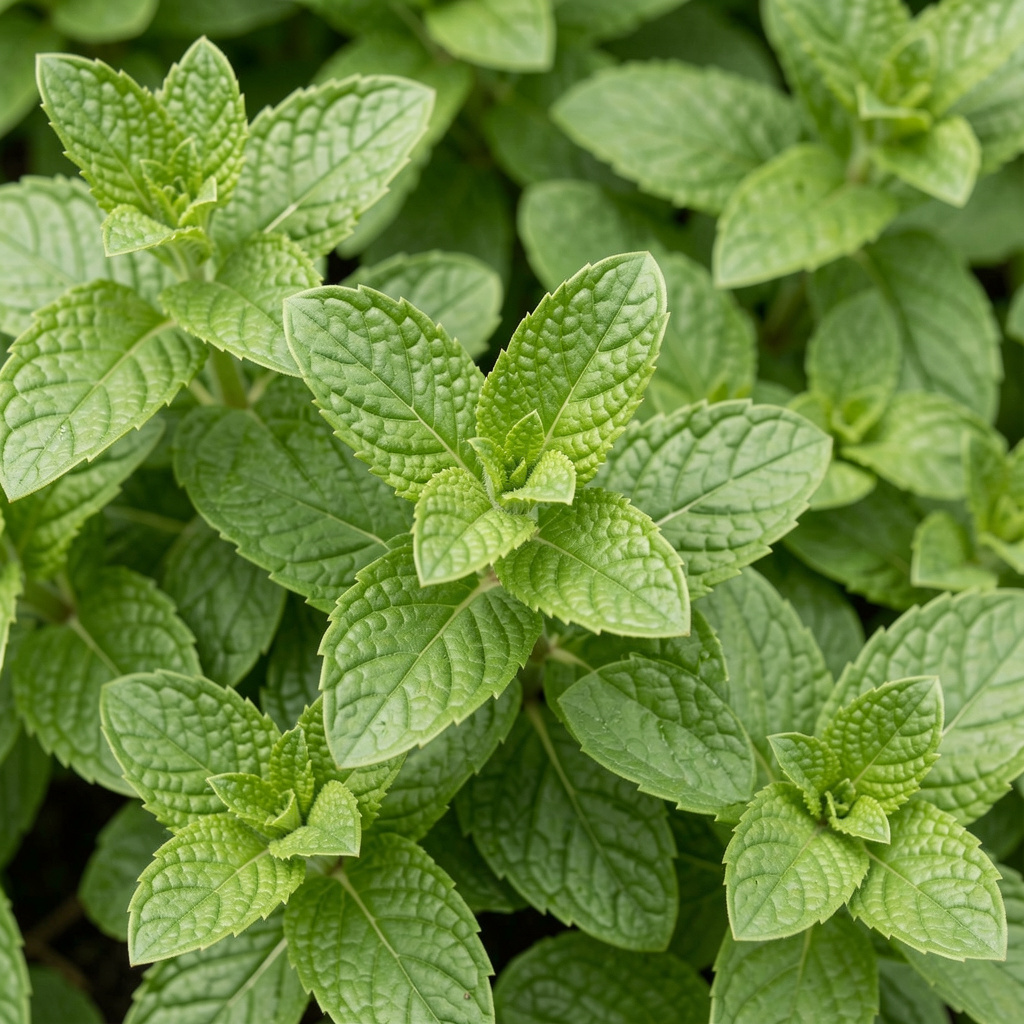
2. Helps Relieve Cold, Cough, and Nasal Congestion
When you inhale mint, your nasal passages feel clearer. That sensation happens because menthol activates cold-sensitive receptors in the respiratory tract. It creates the perception of easier breathing.
Mint can:
- Temporarily ease congestion
- Soothe throat irritation
- Reduce coughing sensation
Important detail: mint does not kill viruses that cause colds. It reduces symptoms. That distinction matters. Steam inhalation with mint leaves can provide short-term relief, especially during seasonal infections.
3. Enhances Mental Alertness and Focus
The aroma of peppermint has been linked to improved alertness and cognitive performance in some studies. Smell signals travel directly to the brain’s limbic system, which influences mood, memory, and attention.
Mint may:
- Reduce mental fatigue
- Improve reaction time
- Increase focus
It will not replace sleep, nutrition, or discipline. But as a small tool, it can help sharpen concentration during study or work sessions.
4. Rich in Antioxidants That Protect Cells
Mint contains antioxidants such as rosmarinic acid and various polyphenols. Antioxidants neutralize free radicals — unstable molecules that damage cells and contribute to aging and chronic diseases.
Oxidative stress is linked to heart disease, diabetes, and inflammation. While mint alone cannot prevent these conditions, including antioxidant-rich foods strengthens the body’s defense systems.
Small herbs can carry biochemical weight.
5. Supports Skin Health and Reduces Acne
Mint has antibacterial and anti-inflammatory properties. That’s why mint extracts appear in face washes, toners, and acne treatments.
Potential skin benefits:
- Reduces acne-causing bacteria
- Calms irritation
- Controls excess oil
- Provides cooling relief
“harmless.”But here’s the truth: applying concentrated mint oil directly to skin can cause irritation or burns. “Natural” does not mean harmless. Dilution and moderation are essential.
6. Promotes Oral Health and Fresh Breath
Mint is commonly used in toothpaste and mouthwash because it inhibits bacterial growth in the mouth. It also stimulates saliva production, which naturally cleans the oral cavity.

Benefits include:
- Fresher breath
- Reduced bacterial load
- Support for gum health
Chewing fresh mint leaves after meals may help reduce odor-causing bacteria.
7. May Help Balance Hormones (Especially Spearmint)
Research suggests that spearmint tea may reduce excess androgen levels in women with hormonal imbalances such as PCOS. The mechanism appears linked to mild anti-androgenic properties.
This is not a replacement for medical treatment. It is supportive, not curative. Hormones are complex biochemical systems; no single herb “balances” them perfectly.
8. Supports Weight Management Indirectly
Mint does not burn fat directly. Anyone claiming that is selling fantasy. However, mint supports habits that contribute to weight control.
It can:
- Improve digestion
- Reduce bloating
- Replace sugary drinks when used in herbal tea
- Enhance flavor without adding calories
If mint tea replaces soda every day, the long-term calorie difference matters.
According to to Dr. Sarah Thompson, Clinical Nutritionist
Mint, especially Mentha piperita, can support digestion and help reduce bloating when used regularly. Drinking 1–2 cups of mint tea after meals is a simple and effective habit.
However, mint is not a cure for medical conditions. People with acid reflux should use it carefully, as it may worsen symptoms.
Use mint as a supportive tool within a healthy lifestyle — not as a replacement for proper nutrition or medical treatment.
9. Reduces Stress and Encourages Relaxation
Mint has mild calming properties. Warm mint tea activates the parasympathetic nervous system — the “rest and digest” mode of the body.
The aroma alone can reduce perceived stress levels. Combined with mindful breathing, mint can become part of a daily stress-management ritual.
Chronic stress damages digestion, sleep, immunity, and hormones. Small calming practices compound over time.
10. Contains Essential Nutrients
Mint provides small amounts of:
- Vitamin A
- Iron
- Folate
- Fiber
- Calcium
Because mint is usually consumed in small quantities, it won’t meet your daily nutrient requirements alone. But it contributes to overall dietary diversity, which is critical for long-term health.
How to Use Mint for Maximum Benefits
Practical ways to include mint daily:
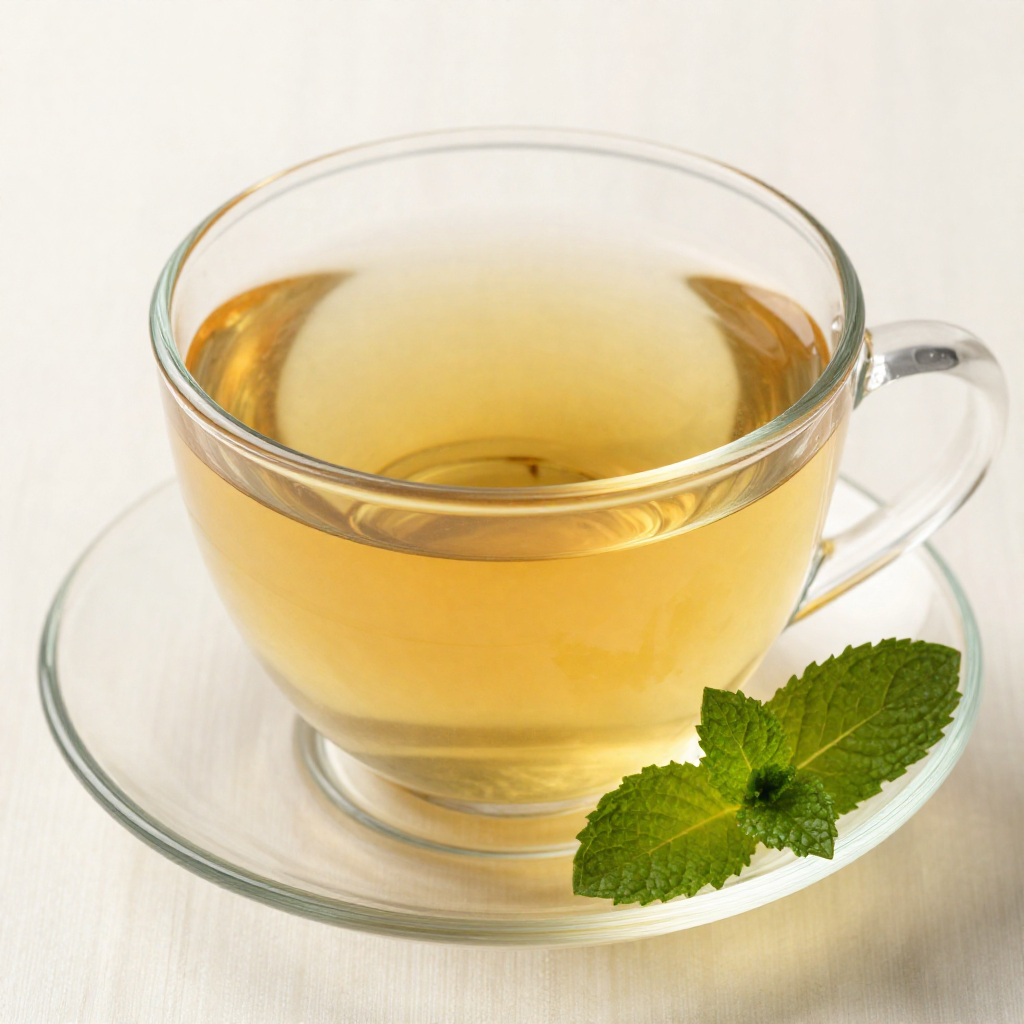
Mint Tea: Boil fresh leaves for 5–7 minutes.
Mint Water: Add crushed leaves to drinking water.
Mint Chutney: Blend with coriander, lemon, and spices.
Salads and Smoothies: Add fresh leaves for flavor and antioxidants.
Steam Inhalation: Add mint leaves to hot water and inhale carefully.
Consistency beats intensity. A daily cup of mint tea works better than extreme, occasional use.
In my personal opinion
Mint is genuinely useful. It helps with digestion, reduces bloating, and feels refreshing. The cooling effect is real, and mint tea after a heavy meal actually makes sense.
I like mint because it’s simple, affordable, and easy to use daily. No hype, no drama. Just a small habit that supports better health.
It’s not a miracle herb—but it’s a smart one
Possible Side Effects and Precautions
Mint is generally safe in food amounts. However, concentrated peppermint oil can:
- Trigger heartburn
- Worsen acid reflux
- Cause mouth irritation
- Interact with certain medications
- People with GERD should be cautious, as mint may relax the lower esophageal sphincter. Pregnant or breastfeeding women should consult a healthcare professional before using mint oil.
- Herbs are biologically active substances. Treat them with respect.
conclusion
Mint is not a miracle cure. It will not erase poor lifestyle habits, chronic stress, or medical conditions. But dismissing it as “just a herb” is equally foolish.
Mint is a scientifically supported plant with digestive, respiratory, cognitive, antioxidant, and antimicrobial benefits. When included consistently in a balanced diet, it supports overall health in subtle but meaningful ways.
Real health improvements come from small daily actions. Mint fits perfectly into that philosophy — simple, accessible, and quietly powerful.
1. Is mint good for daily consumption?
Yes, mint is safe for daily use in moderate amounts, such as in tea or fresh leaves. Overuse of concentrated oil is not recommended.
2. Can mint help with weight loss?
Mint does not directly burn fat. However, it supports digestion and can replace high-calorie beverages, which may help with weight management.
3. Is mint good for acidity?
It depends. Mint can relieve indigestion for some people but may worsen acid reflux in others. If you have GERD, monitor your symptoms carefully.
Does mint improve skin naturally?
Mint has antibacterial and anti-inflammatory properties that may help reduce acne. Always dilute mint extracts before applying to skin.
5. Can mint cure cold and cough?
Mint does not cure viral infections. It helps relieve symptoms like congestion and throat irritation.
6. Which is better: peppermint or spearmint?
Peppermint is stronger and often used for digestive issues. Spearmint is milder and may support hormonal balance. Both have benefits.
7. Is mint safe during pregnancy?
Mint in food amounts is generally safe. Concentrated mint oil should only be used after consulting a doctor.
8 How much mint tea can I drink per day?
One to three cups per day is generally considered safe for most healthy adults.