


In today’s fast-paced world, stress has become a daily challenge. Work pressure, financial concerns, family responsibilities, and constant digital distractions keep our minds overloaded. While short-term stress can be helpful, chronic stress affects both mental and physical health. It can lead to anxiety, sleep problems, high blood pressure, and even weakened immunity.
What Is Meditation?
It involves focusing your mind on the present moment—often through breathing, a word (mantra), or body sensations.
Meditation is a technique that helps you improve focus and become more aware of your thoughts and surroundings.
Although meditation has roots in ancient traditions like Buddhism and Hinduism, today it is widely practiced around the world as a scientific stress-reduction technique. Modern research confirms what ancient cultures understood thousands of years ago: calming the mind improves overall health.
How Meditation Reduces Stress
Meditation reduces stress by:
- Calming the Nervous System
Your heart rate slows, breathing becomes steady, and muscles loosen.
Meditation helps your body relax and feel calm. - Lowering Cortisol Levels
Research shows regular meditation reduces cortisol, the primary stress hormone. Lower cortisol means less anxiety and better emotional control.
- Improving Emotional Regulation
Meditation increases awareness of thoughts and feelings. Instead of reacting impulsively, you learn to respond calmly.
- Strengthening the Brain
Programs like Mindfulness-Based Stress Reduction demonstrate measurable improvements in stress management and mental clarity. Brain imaging studies show meditation reduces activity in the amygdala (fear center) and strengthens areas linked to focus and decision-making.
Proven Benefits of Meditation
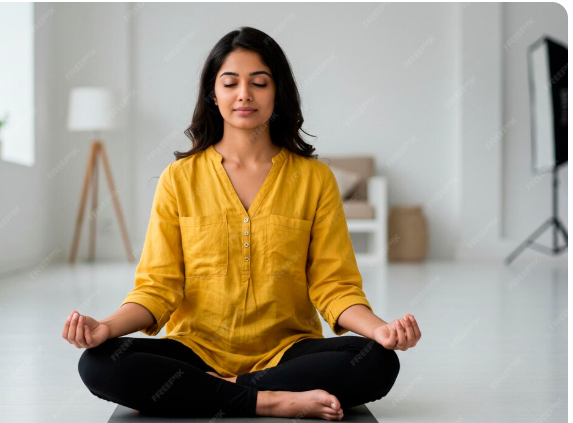
Meditation offers benefits beyond stress relief.
Mental Health Benefits
Reduces anxiety symptoms
Supports depression management
Improves concentration
Enhances emotional stability
Promotes better sleep
Increases self-awareness
Physical Health Benefits
Lowers blood pressure
Supports heart health
Boosts immune function
Reduces chronic pain
Improves energy levels
Even 5–10 minutes daily can create noticeable improvements over time.
Types of Meditation for Stress Relief
Different styles work for different personalities. Here are the most popular options:
- Mindfulness Meditation
Focuses on being fully present. You observe thoughts and sensations without judgment.
- Guided Meditation
A teacher or recording guides you through relaxation techniques. Ideal for beginners.
- Loving-Kindness Meditation
Encourages compassion by sending positive thoughts to yourself and others.
- Body Scan Meditation
Brings awareness to each part of the body to release tension.
- Breathing Meditation
Focuses solely on inhaling and exhaling slowly and deeply.
How to Start Meditation (Step-by-Step Guide)
Starting meditation is simple:
Step 1: Choose a Quiet Space
Choose a peaceful spot where you can relax without interruptions.
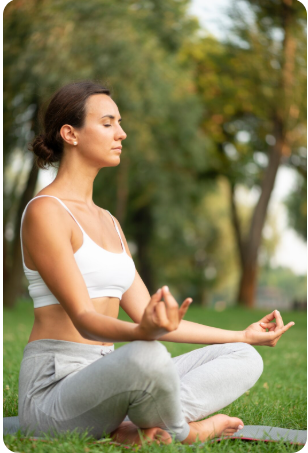
Step 2: Sit Comfortably
Sit upright in a chair or on the floor. Keep your back straight but relaxed.
Step 3: Focus on Your Breath
Close your eyes and observe your breathing.
Step 4: Gently Refocus
If your mind starts to wander, calmly bring your attention back to your breath.
Step 5: Start Small
Start by practicing for just five minutes each day, then slowly extend the time to 15 or 20 minutes as you feel comfortable.
Consistency matters more than duration.
How Fast Does Meditation Work?
Many people feel calmer after just one session. Deep breathing alone can slow your heart rate within minutes. However, consistent practice over 6–8 weeks delivers long-term stress reduction and emotional resilience.
Meditation works both immediately and over time.
Meditation for Busy People
If you think you don’t have time, try:
3-minute breathing breaks
Mindful walking
Short bedtime meditation
Guided audio sessions during commute
Even short sessions help reset your stress response.
Meditation and Sleep Improvement
Common Myths About Meditation
Myth 1: You must stop thinking.
Reality: Meditation is about observing thoughts, not eliminating them.
Myth 2: It takes years to see results.
Reality: Many benefits appear within weeks.
Myth 3: It’s only for spiritual people.
Reality: Meditation is a mental training technique backed by science.
Long-Term Impact of Meditation
With regular practice, meditation can:
Increase emotional intelligence
Improve relationships
Boost productivity
Enhance creativity
Build long-term resilience
FAQ’s
How long should I meditate to reduce stress?
Beginners can start with 5–10 minutes daily. Over time, increasing to 15–20 minutes provides deeper benefits. Consistency is more important than duration
Can meditation really reduce anxiety?
Yes. Research shows meditation lowers cortisol levels and reduces overactivity in the brain’s fear center, helping manage anxiety symptoms effectively.
Is meditation better than medication for stress?
Meditation can complement medical treatment but should not replace prescribed medication without consulting a healthcare professional. It works well as a natural stress-management tool.
What is the best time to meditate?
Morning is ideal because it sets a calm tone for the day. However, any time that fits your schedule is effective.
Can beginners meditate without guidance?
Yes. Simple breathing meditation is easy to practice alone. However, guided meditation can help beginners stay focused.
How quickly will I see results?
Some people feel relaxed immediately. Long-term benefits typically appear within 6–8 weeks of consistent practice.
Do I need special equipment for meditation?
No. A quiet space and a comfortable seat are enough.