

simple, natural ways to prevent iron deficiency during pregnancy. Learn the best foods, expert tips, and home remedies to stay healthy and boost hemoglobin naturally
Pregnancy is one of the most beautiful and transformative journeys in a woman’s life. During this time, your body works extra hard to nourish not only yourself but also your growing baby. Among the many nutrients required, iron plays a vital role. Sadly, iron deficiency is one of the most common nutritional problems in pregnancy, affecting millions of women worldwide.
Meaning of Iron Deficiency in Pregnancy
Iron is a mineral that your body needs to make hemoglobin, a protein in red blood cells that carries oxygen to your body tissues and your baby. During pregnancy, your blood volume increases by almost 50%, which means your body needs double the amount of iron to make extra blood for your baby’s growth and development.
When your body doesn’t get enough iron, it can’t produce enough healthy red blood cells, leading to iron deficiency anemia. This can make you feel tired, weak, or dizzy and can even affect your baby’s health.
Why Iron Is So Important During Pregnancy
Iron plays several essential roles in maintaining good health for both the mother and the baby:
- Supports oxygen flow—Iron helps carry oxygen from your lungs to the rest of your body and your baby.
- Promotes baby’s growth—It helps in the formation of your baby’s brain and other vital organs.
- Prevents fatigue and weakness—It keeps your energy levels up and helps you feel active throughout pregnancy.
- Reduces risk of preterm delivery—Adequate iron levels can lower the risk of premature birth or low birth weight.
- Strengthens immunity—It supports your immune system, protecting you from infections.
Common Symptoms of Iron Deficiency
It’s easy to confuse iron deficiency with normal pregnancy fatigue, but certain signs can help you identify it early. Look out for these symptoms:
- Persistent tiredness or lack of energy
- Pale skin, lips, and nails
- Shortness of breath or rapid heartbeat
- Dizziness or light-headedness
- Headaches and irritability
- Cold hands and feet
- Brittle nails or hair loss
If you experience two or more of these symptoms, it’s wise to discuss them with your doctor. A simple hemoglobin blood test can confirm whether you’re iron-deficient.

Causes of Iron Deficiency During Pregnancy
Iron deficiency doesn’t happen overnight. It can result from several factors, including:
- Increased iron demand: Your body needs more iron to support your growing baby and placenta.
- Poor dietary intake: Not eating enough iron-rich foods such as meat, lentils, or green vegetables.
- Low absorption: Drinking tea or coffee right after meals can reduce iron absorption.
- Short spacing between pregnancies: Not giving your body enough time to restore iron stores.
- Heavy menstrual loss before pregnancy: Women who had low iron before conception are more likely to develop anemia during pregnancy.
Best Iron-Rich Foods for Pregnant Women
A balanced diet rich in iron can go a long way in preventing deficiency. Here are some iron-packed foods to include in your daily meals:
1. Plant-Based Sources (Non-heme Iron)
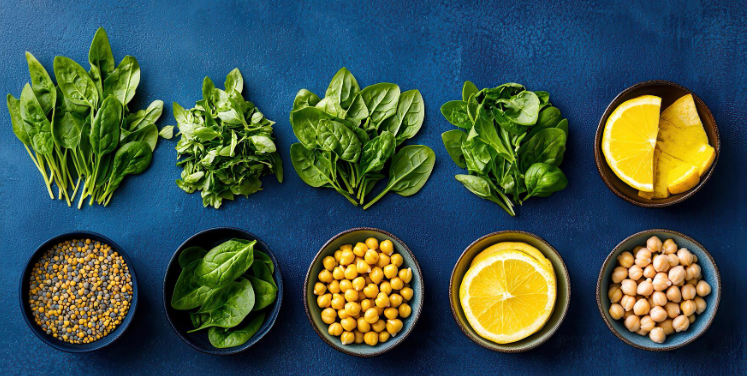
- Spinach, fenugreek (methi), and kale
- Lentils, beans, and chickpeas
- Tofu and soybeans
- Nuts and seeds (pumpkin seeds, almonds, sesame seeds)
- Whole grains like brown rice and quinoa
- Jaggery and dates
2. Animal-Based Sources (Heme Iron)
- Red meat (beef, mutton)
- Chicken and fish
- Eggs, especially yolks
- Liver (in moderation)
Boosting Iron Absorption Naturally
Simply eating iron-rich foods is not enough—you need to help your body absorb it effectively. Here’s how:
- Include vitamin C-rich foods: Eat fruits like oranges, amla, guava, or strawberries along with iron-rich meals.
- Avoid tea and coffee after meals: These beverages contain tannins that block iron absorption. Wait at least one hour after eating before drinking them.
- Cook in cast-iron utensils: This can slightly increase the iron content of your food.
- Add lemon juice to meals: The citric acid helps enhance absorption naturally.
Iron Supplements During Pregnancy
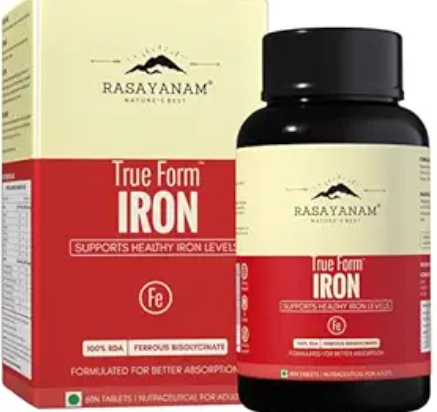
Even with a healthy diet, most pregnant women can’t meet their iron needs through food alone. That’s why doctors usually prescribe iron supplements or syrups starting in the second trimester.
Tips for Taking Iron Supplements:
- Take them on an empty stomach or with a glass of orange juice for better absorption.
- Avoid taking them with milk, tea, or coffee.
- If you experience constipation or nausea, talk to your doctor. They may adjust the dosage or suggest a different supplement.
- Never take extra iron without medical advice—it can cause stomach upset or other issues.
Expert Advice from Dr. Neha Sharma, Obstetrician:
Iron deficiency in pregnancy is common but preventable. A mix of nutritious food, supplements, and regular checkups ensures a safe and healthy pregnancy for both mother and baby.
Personal Experience
During my second pregnancy, I often felt tired, dizzy, and low on energy. After a routine test, my doctor confirmed I had mild iron deficiency. She advised me to eat spinach daily, drink beetroot juice, and take my iron tablets regularly.
I also started soaking black raisins overnight and eating them in the morning—this simple habit made a noticeable difference. Within a few weeks, my energy improved, and my hemoglobin levels were back to normal. It taught me that small lifestyle changes can have a big impact during pregnancy.
Simple Home Remedies to Improve Iron Levels
- Beetroot and Carrot Juice:
Blend beetroot with carrot and a few drops of lemon juice. It’s a tasty way to boost hemoglobin. - Dates and Figs:
Eat 3–4 soaked dates or figs daily—they’re natural energy boosters and rich in iron. - Jaggery with Roasted Chana:
A traditional Indian snack that helps increase hemoglobin naturally. - Curry Leaves and Drumstick Leaves:
These are age-old remedies for improving iron levels in Indian households.
Risks of Iron Deficiency for Mother and Baby
Ignoring iron deficiency can lead to serious health issues for both the mother and the baby. Some possible complications include:
- For the Mother:
- Severe fatigue and weakness
- Increased risk of infections
- Complications during delivery
- Postpartum depression or delayed recovery
- For the Baby:
- Low birth weight
- Premature delivery
- Delayed growth and brain development
- Low iron stores after birth
This is why timely detection and correction are so crucial.

Daily Iron Needs During Pregnancy
According to health experts:
- Non-pregnant women: need around 18 mg of iron per day
- Pregnant women: need around 27 mg per day
- Breastfeeding mothers: need around 10 mg per day
Meeting this daily requirement through a mix of food and supplements ensures a healthy pregnancy and postpartum recovery.
Lifestyle Tips to Stay Iron-Healthy
- Eat balanced meals with a mix of proteins, whole grains, fruits, and vegetables.
- Stay hydrated, but avoid drinking water immediately after meals.
- Get enough rest—sleep is essential for recovery and energy.
- Include light exercises like walking or prenatal yoga (if your doctor approves).
- Don’t skip your prenatal checkups and hemoglobin tests.
Conclusion
Iron deficiency in pregnancy is common but completely preventable with the right awareness, diet, and care. Eating nutritious meals, avoiding harmful habits like excessive tea or coffee, and following your doctor’s advice can keep you and your baby healthy.
Remember—our body is working harder than ever. Give it the care it deserves with iron-rich foods, proper supplements, and plenty of rest.
A little attention today can bring a lifetime of health and happiness for us and our baby
Can I take iron supplements without a doctor’s advice?
No. Always take supplements only after consulting your doctor. Too much iron can cause nausea, constipation, or other side effects.
How soon can I see improvement after taking iron tablets?
Usually, you’ll start feeling better within 3–4 weeks, but it can take a few months for your hemoglobin levels to normalize.
Can I meet my iron needs through food alone?
It’s possible if you eat a variety of iron-rich foods daily, but most pregnant women still need supplements to meet their body’s increased demand.
What’s the best time to take iron tablets?
Take them one hour before or two hours after a meal with vitamin C-rich juice for better absorption.
Is iron deficiency dangerous for my baby?
Yes, severe anemia can affect your baby’s growth, increase the risk of premature birth, and cause low birth weight.