


Sleep isn’t just downtime—it’s the body’s ultimate recovery system. While you’re sleeping, your brain files away memories, your muscles repair themselves, and your immune system kicks into high gear. Getting quality consistently keeps your body strong and your mind sharp.
A lack of sleep throws off your mood, messes with your metabolism, and increases your risk for illnesses like diabetes and heart disease. If you’ve ever felt snappy, sluggish, or spaced out after a sleepless night, that’s your brain begging for rest. Think of sleep as the charger for your mind and body—without it, you’re running on empty. Understanding Your Sleep Cycle
Introduction
Sleep isn’t just a straight stretch of rest—it runs in cycles of roughly 90 minutes. Each cycle includes three key stages: light sleep, deep sleep, and REM (Rapid Eye Movement). Light sleep helps your body wind down, deep sleep repairs and strengthens muscles and tissues, while REM supports memory, learning, and emotional balance.
When your sleep is broken or interrupted, you may not enter these deeper, restorative stages. That’s why you can spend eight hours in bed but still wake up feeling tired
MY OPINION
I’ve personally struggled with restless nights before, and I know how draining it can feel to wake up tired even after spending hours in bed. What really helped me was creating a bedtime routine—turning off my phone early, sipping warm herbal tea, and keeping my room cool and quiet. Over time, these small habits made a big difference.
I believe good sleep isn’t about quick fixes but about consistency. When I started prioritizing rest, my energy, mood, and focus improved a lot. That’s why I see sleep as one of the most powerful tools for a healthier life.
Expert View:
Sleep is the foundation of good health. Without proper rest, even the best diet and exercise plan won’t be effective, says Dr. Matthew Walker, neuroscientist and author of Why We Sleep. “Improving sleep is not about chasing more hours in bed—it’s about improving sleep quality through consistency, environment, and daily habits.”
Common Sleep Problems
Sleep isn’t just about lying in bed for hours—it works in cycles of around 90 minutes. These cycles move through light sleep, deep sleep, and REM (Rapid Eye Movement). Each stage has a purpose: light sleep helps you relax, deep sleep repairs the body, and REM supports memory and emotions.
When your sleep gets disturbed, you may not reach those deeper, restorative stages. That’s why you can still feel tired even after spending eight hours in bed.
- Insomnia: Trouble falling asleep, waking up often, or rising too early. Stress and poor habits are common triggers.
- Sleep Apnea: Breathing pauses during sleep, often linked with loud snoring. It leaves you feeling drained even after a full night’s rest.
- Restless Leg Syndrome: A constant urge to move your legs at night, making it hard to relax and fall asleep.
Signs of Poor Sleep
Feeling tired all day, mood swings, anxiety, irritability, or even mild depression can point to poor sleep quality. Struggling to focus or forgetting simple things are also red flags.
How Much Sleep Do You Really Need
Sleep needs change with age. Most adults feel their best with 7–9 hours of good rest, while teenagers often need more, and older adults may manage with a little less.
But it’s not only about the number of hours. The quality of sleep is even more important. If your rest is broken or too light, even 9 hours won’t leave you refreshed. What really counts is consistent, deep sleep—not just time spent in bed.
The Science of Circadian Rhythm

Your circadian rhythm is the body’s natural clock that guides when you feel awake and when it’s time to rest. It’s influenced by sunlight, the sleep hormone melatonin, and your daily habits.
When this rhythm is disturbed—like from jet lag, late-night screen use, or working night shifts—it becomes harder to fall asleep and wake up naturally. To reset it, try getting morning sunlight and limit bright screens in the evening.
Best Foods and Drinks for Better Sleep

Over-the-counter sleep aids like melatonin or diphenhydramine can help on tough nights. But they’re not meant for long-term use. Your body can get used to them, and side effects can pile up. Prescription sleeping pills should only be used if a doctor recommends them. While they can help short-term, they often come with risks like dependence, dizziness, or memory problems.rewrite this 100/ unique like manually in informative and simple way
Foods That Support Sleep
Some foods naturally help your body rest better. Fruits like bananas, kiwis, and cherries, along with nuts such as almonds, contain nutrients like magnesium and melatonin that promote sleep.
On the other hand, it’s best to avoid caffeine, alcohol, spicy snacks, or heavy meals late at night. These can raise your heart rate, upset digestion, and disturb your rest.
Creating the Right Sleep Environment
Your bedroom should feel calm and comfortable. Keep the room cool—around 60–67°F (15–19°C) works best. Too much heat or cold can interfere with sleep. Reduce light and noise by using blackout curtains, an eye mask, or a white noise machine. Also, make sure your mattress and pillow give proper support, since discomfort can ruin sleep quality.
Healthy Nighttime Habits
A steady routine is key. Going to bed and waking up at the same time every day helps regulate your body clock. Turn off phones, TVs, and laptops at least 30 minutes before bedtime—the blue light keeps your brain active. Instead, try relaxing with reading, stretching, or deep breathing exercises.
Natural Remedies for Better Sleep
Nature offers gentle sleep aids. Herbal teas like chamomile, passionflower, or valerian root can calm the mind. Aromatherapy with lavender oil—either in a diffuser or sprayed on your pillow—may also help you unwind before sleep.
Daytime Choices That Impact Nighttime Rest
Your daily routine affects how well you sleep. Regular exercise promotes deeper rest, but avoid working out too late in the evening. Morning sunlight exposure for at least 15 minutes helps set your sleep cycle and boosts serotonin. Also, watch your caffeine intake—it can stay in your system for hours, so try cutting it off after 2 p.m.
Sleep Aids: Use with Caution
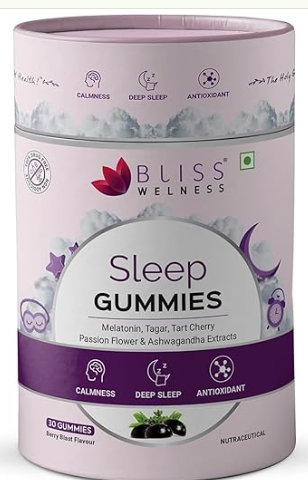
Over-the-counter options like melatonin or antihistamines can help occasionally, but they aren’t ideal for long-term use. With regular use, side effects and dependency risks may increase. Prescription sleeping pills should only be taken under medical guidance, as they can cause dizziness, memory issues, or dependence
Sleep and Mental Health

Sleep quality and mental well-being are closely connected—when one suffers, the other often does too.
If you’re feeling anxious or depressed, it can keep you up at night. The less rest you get, the more your mood tends to decline—creating a tough cycle that’s hard to break.
Mindfulness techniques—like journaling, gratitude practices, or breathing exercises—can calm your mind and lower stress before bedtime. These small acts can go a long way in improving both your sleep and mental well-being.
When to See a Sleep Specialist
If sleepless nights keep happening, it may be time to see a doctor. A sleep expert can check for problems like insomnia or sleep apnea that disturb your rest. Sometimes, they suggest a sleep study, where your brain activity, breathing, and heart rate are monitored at night. This helps doctors find the exact issue and give the right treatment.
CONCLUSION
Good sleep is more than just turning off the lights. It comes from healthy habits, a calm routine, and the right mindset. Small, steady changes—like drinking herbal tea, creating a cozy bedroom, or fixing your body clock—can make a big difference.
You deserve peaceful, deep sleep every night and to wake up each morning feeling fresh, active, and ready for the day.
FAQs
1. What is the best sleeping position?
Sleeping on your back or side is best for spinal alignment. Avoid sleeping on your stomach—it strains your neck and spine.
2. How long before bed should I stop using my phone?
Ideally, stop using screens 30–60 minutes before bed. If you can’t, at least turn on “Night Mode” or use blue-light filters.
3. Is napping during the day helpful or harmful?
Short naps (20–30 minutes) can recharge your brain. Avoid long naps, especially late in the day—they can make it harder to fall asleep at night.
4. Can melatonin help me sleep better?
Yes, especially if you’re dealing with jet lag or shift work. But use it occasionally, not every night, unless a doctor recommends it