

Introduction to the Gastrointestinal System
The gastrointestinal (GI) system is often underrated when it comes to maintaining overall health, but it plays a crucial role in how our bodies function. Everything you eat, from your morning toast to your midnight snack, travels through your GI tract. Along the way, it gets broken down, digested, and transformed into the fuel your body needs to perform. Digestion is just one role of the gut—it also supports immunity, mood, skin health, and brain function.
Disease In 2025, with rising rates of gut-related issues like IBS, acid reflux, and food sensitivities, more people are becoming aware of the importance of gut health. If your digestion isn’t working right, you feel it everywhere—from low energy levels to anxiety and chronic inflammation.
My personal openion
I used to struggle a lot with gastrointestinal issues—almost everything I ate would cause excessive gas, and sometimes it even gave me headaches. It was frustrating and affected my daily life. Over time, I started following a proper diet and paying close attention to nutrition, making small but consistent changes in what I ate. Now, I feel much healthier and fitter, and my digestive system works smoothly. I truly realize how important a balanced diet and mindful eating are for maintaining a healthy gut.
Anatomy of the GI Tract
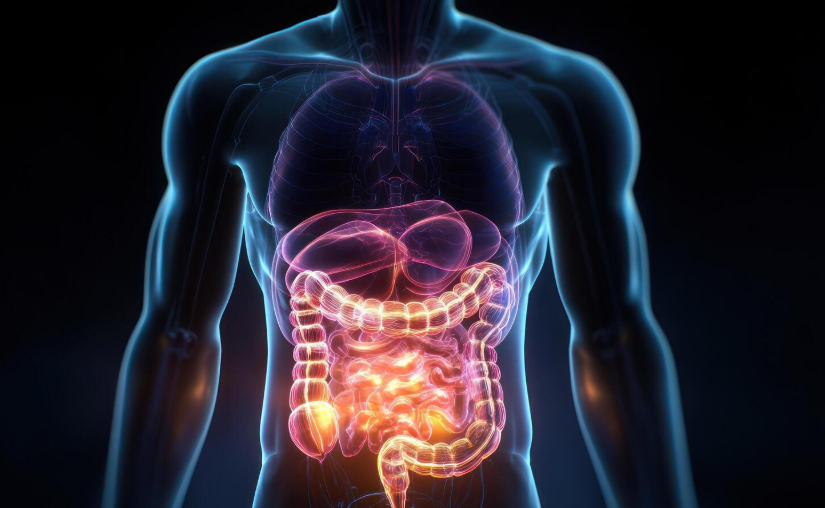
The GI tract is a complex, interconnected system that stretches from your mouth all the way to your anus. It includes several major organs that each have specific roles in digestion. Your food first enters through the mouth, where it gets broken down by chewing and enzymes in saliva. It then travels down the esophagus, a muscular tube that pushes the food into the stomach.
In the stomach, powerful acids and enzymes continue to break down food into a semi-liquid form called chyme. The chyme then enters the small intestine, where most digestion and nutrient absorption take place. This is where most nutrients are absorbed into the bloodstream. The remaining undigested matter travels to the large intestine, or colon, where water is absorbed and waste is prepared for elimination through the rectum and anus.
Common Gastrointestinal Disorders
Digestive disorders like GERD and IBS are common and can severely impact daily life if left unmanaged. GERD triggers acid backflow, causing burning sensations and chest unease after meals. It can cause symptoms like heartburn, chest pain, and a sour taste in the mouth.
Irritable Bowel Syndrome (IBS) is another common issue. It’s a chronic disorder that affects the large intestine and can lead to bloating, gas, diarrhea, and constipation. Although not life-threatening, it can significantly impact your quality of life.
Frequent bloating, cramps, and irregular digestion may signal deeper gut health issues like IBD. These are more serious autoimmune conditions that cause chronic inflammation in the digestive tract. Other frequent concerns include constipation, diarrhea, peptic ulcers, and gallbladder issues—all of which can signal imbalances in your gut system.

Signs and Symptoms of gastrointestinal
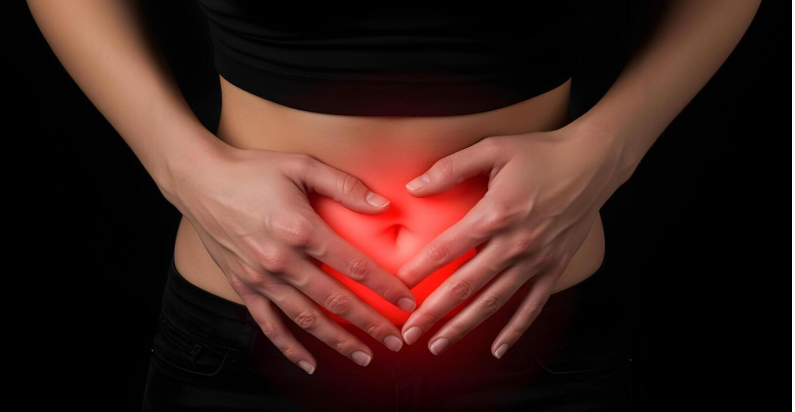
gastrointeasinal health often shows itself in ways people might not associate with the digestive system. One of the most noticeable signs is bloating after meals, along with frequent gas or abdominal discomfort. Irregular bowel movements, such as chronic constipation or diarrhea, are other common red flags.
Poor gut health can affect more than just your stomach, impacting your skin, energy, and mood too.. Fatigue, frequent headaches, difficulty concentrating, and even depression can all stem from an unhealthy digestive system. Skin issues like acne, eczema, and rosacea are also closely linked to gut inflammation and microbial imbalances. if you are facing mood swings, brain fog, or food sensitivities, poor gut health could be the hidden cause
Root Causes of GI Issues
According to Dr. Richa Sharma, a certified dietitian and nutrition expert,Many digestive issues like excessive gas and bloating often occur due to an imbalanced diet and poor eating habits. Including fiber-rich foods, probiotics, and drinking plenty of water can greatly improve gut health. Small, consistent dietary changes make a big difference, and over time, they help reduce discomfort, improve digestion, and boost overall energy levels.
One of the leading causes of gastrointestinal issues is a poor diet—especially one high in processed foods, added sugars, and artificial additives. These foods disrupt the balance of healthy bacteria in your gut, leading to inflammation and digestive discomfort. Lack of fiber is another common culprit, as fiber is essential for maintaining smooth digestion and regular bowel movements.
Stress is another major contributor. Feeling anxious or stressed often triggers your body’s natural fight-or-flight response. This suppresses digestion and can lead to symptoms like stomach cramps, nausea, or diarrhea. Overuse of antibiotics also throws your gut bacteria out of balance, sometimes wiping out beneficial microbes and leaving the bad ones to take over. Lastly, physical inactivity and poor sleep patterns slow down digestive processes and further strain your gastrointestinal system.
The Gut-Brain Connection
It might sound surprising, but your gut and brain are in constant communication through what’s called the gut-brain axis. The gut and brain constantly communicate through the gut-brain axis using nerves, hormones, and chemical signals. The star of this system is the vagus nerve, which runs from your brainstem down to your digestive organs. It controls many automatic functions like heartbeat, breathing, and—yes—digestion.
Ever felt “butterflies” in your stomach when nervous? That’s your brain talking to your gut. On the flip side, if your gut microbiome is out of balance, it can affect your mood, increase anxiety, or contribute to depression. Taking care of your gut doesn’t just mean fewer tummy troubles—it also means a clearer mind and a more
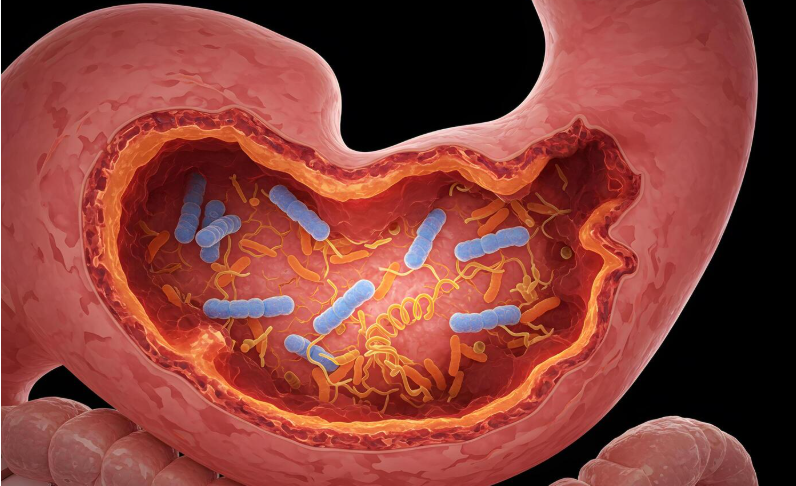
stable emotional state.
Diagnosing GI Disorders
If you’re experiencing ongoing digestive problems, it’s crucial to get the right diagnosis. Start by visiting a healthcare professional who will ask about your symptoms and may recommend diagnostic tests. Common tests include endoscopy (to view your esophagus and stomach), colonoscopy (to examine the colon), and various stool tests to check for infections or inflammation.
Other tests may include breath tests for small intestinal bacterial overgrowth (SIBO) or imaging studies like CT scans to check for blockages or abnormal growths. Accurate diagnosis ensures proper treatment and improves overall well-being.
Treatment Options gastrointestinal health
When it comes to treating GI issues, the approach often depends on the root cause. Medical treatments may include medications like antacids, antibiotics, or anti-inflammatory drugs. In more severe cases, surgery may be required to correct structural problems in the digestive tract.
However, many people see major improvements through dietary and lifestyle changes alone. This includes eating more fiber-rich foods, staying hydrated, and cutting back on processed and high-fat meals. Reducing stress through meditation, yoga, or therapy also plays a key role. Adding probiotics and prebiotics to your routine can aid in rebalancing your gut and enhancing overall digestive health.
Natural Remedies for gastrointestinal health
Nature offers plenty of gentle remedies for supporting your digestive system. Herbal teas like peppermint, chamomile, and ginger can soothe an irritated stomach and reduce bloating. Apple cider vinegar is believed to enhance stomach acid levels, which helps with nutrient absorption and prevents reflux.
Fermented foods like sauerkraut, kimchi, miso, kefir, and yogurt are rich in probiotics, which help repopulate the gut with healthy bacteria. Aloe vera juice, licorice root, and slippery elm are also popular natural remedies used to coat and heal the digestive tract.
Best Foods for gastrointestinal health
To maintain a healthy gut, you need to feed your body the right kinds of foods. Start by including plenty of fiber-rich options like oats, lentils, beans, flaxseeds, and fruits like apples and berries. These keep your bowel movements regular and support a diverse gut microbiome.
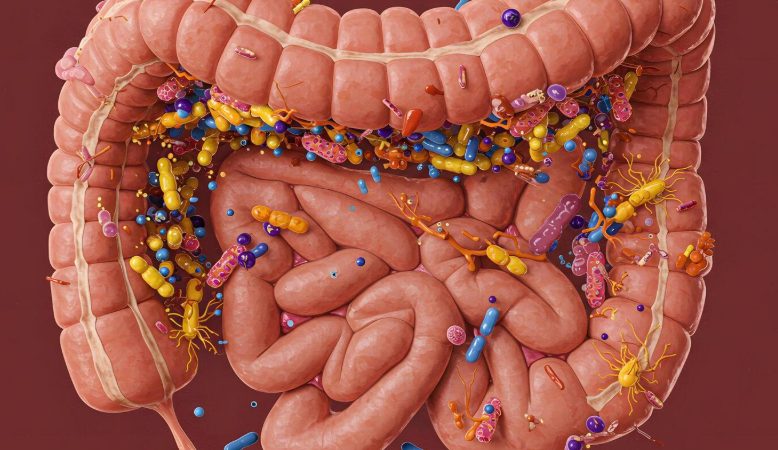
Probiotic-rich foods like yogurt, kefir, kombucha, and fermented vegetables introduce beneficial bacteria into your system. Prebiotic foods, such as garlic, onions, asparagus, and bananas, feed those good bacteria and help them thrive. Anti-inflammatory foods like leafy greens, turmeric, salmon, and olive oil can further reduce irritation and support healing.
Foods That Harm Your gastrointestinal health
Some foods, unfortunately, do more harm than good. Stay well-hydrated during the day to support the smooth movement of food through your digestive tract. Fried foods, especially when cooked in poor-quality oils, are hard to digest and can cause inflammation. Alcohol, when consumed in excess, damages the gut lining and disrupts your microbiome.
Even caffeine, though okay in moderation, can cause problems for sensitive individuals by irritating the stomach lining or speeding up digestion too much. If you’re experiencing gut issues, it’s wise to temporarily cut back or eliminate these triggers and reintroduce them slowly.
Daily Habits for Long-Term gastrointestinal health
Small daily habits can go a long way in supporting your digestive health. Start by eating slowly and mindfully—chewing your food properly and avoiding distractions while eating can improve digestion significantly. Stay well-hydrated during the day to support the smooth movement of food through your digestive tract.
Make time for regular physical activity like walking, stretching, or yoga to promote bowel movements and reduce bloating. Lastly, reduce stress through practices like journaling, breathing exercises, or spending time in nature.
GI Health for Children and Seniors
Digestive needs change as we age. Children are still developing their digestive systems, so they need high-fiber foods, lots of hydration, and limited sugar. Kids may also be more prone to food intolerances and need careful monitoring of symptoms like constipation or tummy aches.
Seniors, on the other hand, often experience slower digestion due to reduced stomach acid or medications. They may benefit from smaller, more frequent meals and easy-to-digest foods like cooked vegetables, soups, and smoothies. Caregivers should pay attention to signs like unexplained weight loss or changes in bowel habits, as they can indicate deeper issues.
Myths About gastrointestinal
One of the biggest myths is that “all probiotics are the same.” In reality, different strains serve different purposes. Some help with constipation, others with diarrhea, and some balance the immune system. Always read labels and consult a professional before choosing a probiotic.
Another myth is that “fiber fixes everything.” While fiber is essential, too much of it—especially all at once—can lead to gas and bloating if your body isn’t used to it. Begin with small amounts and slowly build up your intake, making sure to stay well-hydrated along the way.
Conclusion:
Your gut is the foundation of your health, and keeping it in top shape doesn’t have to be complicated. By understanding how your digestive system works and recognizing the signs of trouble early on, you can make informed decisions that support your well-being. Whether it’s adding more fermented foods, reducing stress, or getting a diagnosis for persistent symptoms, the steps you take today will shape your health tomorrow. When your gut is in good shape, you feel more energized and uplifted—so why wait to make the change?
FAQs
How can I naturally improve gut health?
Avoid processed foods and manage stress regularly.
What are the early signs of poor gut health?
Early symptoms such as bloating, tiredness, or sensitivity to certain foods are gentle reminders that your digestive system may be asking for extra care.
Can probiotics really help?
Absolutely—just make sure to pick the strain that aligns perfectly with your personal needs and desired effects.
Is stress really linked to digestive problems?
Absolutely. Chronic stress disrupts gut-brain communication and can cause or worsen symptoms.
How long does it typically take to notice results, and can consistent effort really make a difference within just a few weeks?
It varies, but with consistent effort, many people see improvements within 4 to 8 weeks