


Meta Description:
Learn how to create a workout plan that works for you. Get tips on staying motivated, avoiding mistakes, mixing routines, and eating right to reach your fitness goals.
Introduction
Starting your fitness journey without direction can feel overwhelming, but a structured workout plan gives you clarity and confidence. Think of it as a step-by-step guide that keeps you on track, helps you train smarter, and ensures steady progress. A solid plan blends cardio, strength, flexibility, and rest in a way that matches your goals and lifestyle. By following a routine that’s realistic and adaptable, you avoid common mistakes, stay motivated, and build lasting results safely. Here are some steps for you:
Step 1: Define Your Fitness Goals
The first step in building a workout plan is knowing exactly what you want to achieve. Clear goals shape your entire routine. For example, if fat loss is your aim, combine high-intensity cardio with strength training. If muscle building is your priority, focus on resistance training and proper nutrition. For better energy or mood, mix physical activity with mindfulness practices like yoga. Be specific—rather than saying, “I want to get fit,” set measurable goals such as, “I want to lose 5 kg in 8 weeks by exercising four times a week and eating clean.”
Step 2: Choose Your Workout Style
Fitness is not one-size-fits-all, and the best workout is the one you can stick to consistently. If you prefer convenience and privacy, at-home workouts are perfect. Gym sessions offer more equipment and variety, while outdoor workouts suit nature lovers who enjoy jogging or cycling. Group classes are great if you thrive on social support and accountability. Pick the style that matches your lifestyle and keeps you motivated in the long run.
Step 3: Understand the Core Components of Fitness
A strong workout plan is built on four essential pillars: strength, cardio, flexibility, and recovery. Strength training builds muscle, boosts metabolism, and burns calories even at rest—using weights, resistance bands, or bodyweight. Cardiovascular exercises like running, swimming, cycling, or HIIT strengthen the heart, improve stamina, and aid fat loss. Flexibility and mobility work, such as yoga or simple stretching, prevent injuries and improve posture. Finally, rest and recovery are just as crucial—muscles repair and grow when you rest. Aim for at least one rest day weekly and ensure 7–9 hours of quality sleep each night.
Step 4: Beginner Weekly Workout Plan
For those new to fitness, starting with a simple and structured routine makes the journey smoother. A balanced beginner plan could look like this: strength training on Monday and Thursday, cardio on Wednesday, yoga or stretching on Friday, an optional HIIT or dance session on Saturday, and rest days on Tuesday and Sunday. Keep workouts between 30 and 40 minutes and focus on learning proper form before increasing weights or intensity.
Step 5: Intermediate & Advanced Plans
Once you’ve built consistency, it’s time to challenge your body further. Intermediate routines often introduce split training (upper and lower body days), heavier weights, and varied workouts like circuits or HIIT. Advanced athletes typically use periodization—changing workout intensity and volume in cycles—along with heavy lifting, complex movements, and programs tailored to goals like muscle growth, strength, or performance.
Step 6: Home Workout Plan
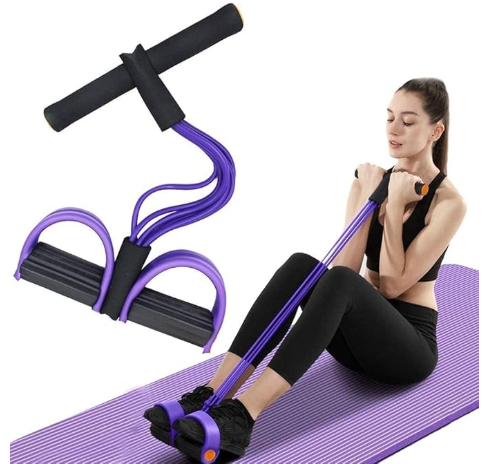
Great results don’t always require a gym. A well-rounded home workout can include bodyweight exercises like squats, lunges, push-ups, planks, and burpees. These moves target multiple muscle groups, improve strength, and build endurance. With consistency and progressive intensity, home workouts can be just as effective as gym-based routines.
My personal Experience
In my opinion, having a workout plan makes getting fit much easier. It keeps you on track, helps you stay consistent, and avoids wasting time. Eating well, resting, and trying different workouts also make a big difference. Celebrating small progress, like running a bit farther or lifting a little more, keeps you motivated and makes fitness more enjoyable.
Step 7: Gym Workout Plan
If you thrive in a gym environment, a structured 5-day split can keep you consistent and motivated. For example, target chest and triceps on Monday, back and biceps on Tuesday, and legs on Thursday, with shoulders and core on Friday. Saturday can be reserved for full-body conditioning, while Wednesday and Sunday are rest or recovery days. Use both free weights and machines, and don’t skip warm-ups or cooldowns to prevent injury.
Step 8: Nutrition is Half the Battle
Your workouts only take you halfway—what you eat determines your real progress. Prioritize lean proteins like chicken, eggs, or tofu; pair them with complex carbs such as oats or quinoa; and add healthy fats from nuts or avocados. Keep your plate colorful with vegetables and stay hydrated throughout the day. Tracking your meals with tools like MyFitnessPal can help you stay on course and meet your goals.
Step 9: Supplements—Are They Necessary?
Supplements aren’t magic, but they can give your plan a boost if used wisely. Whey protein helps you hit your daily protein intake, creatine supports muscle strength and recovery, and a good multivitamin fills nutritional gaps. However, focus on whole foods first, and only add supplements if your diet falls short.
Step 10: Progress Tracking and Adjustment
To know whether your plan is working, track progress beyond the scale. Monitor changes in strength, endurance, body measurements, and even how your clothes fit. Keep an eye on energy levels and recovery too. If results plateau, adjust your workouts, nutrition, or rest. Fitness is a journey, and fine-tuning along the way ensures steady progress.

Step 11: Staying Motivated When It Gets Tough
Motivation isn’t always steady, but you can keep moving forward by reconnecting with your “why,” celebrating small achievements, and adding fun elements like a great playlist. Being part of a fitness group or community also provides support and accountability when energy dips.
Author’s View – By Emma Collins, Wellness Blogger
“In my experience, the biggest mistake beginners make is trying to do everything at once—strict diets, intense workouts, and unrealistic goals. Fitness is not a race; it’s a lifestyle change. A step-by-step workout plan gives structure without overwhelming you. The real key is patience and consistency. Progress might feel slow at first, but every small effort compounds into long-term results. Remember, it’s not about being perfect; it’s about being better than yesterday.”
Step 12: Avoiding Common Pitfalls
Many people lose momentum by overdoing it or striving for perfection. Avoid overtraining, respect recovery days, and remember that consistency matters more than chasing flawless routines. Focus on your own journey instead of comparing yourself to others.
Step 13: Mixing It Up—Keep It Fresh
Repeating the same routine can feel boring, so keep things exciting with new activities like dance workouts, swimming, cycling, or martial arts. Exploring different forms of movement not only challenges your body but also makes fitness enjoyable.

Step 14: Staying Consistent is Key
Fitness is about long-term commitment, not short bursts of effort. The real results come from showing up consistently over months and years. When you learn to enjoy the process, staying active becomes a natural part of your lifestyle.
Step 15: The Mental Benefits of a Workout Plan
Exercise goes beyond physical transformation—it sharpens focus, reduces stress, and lifts your mood by releasing endorphins. Following a plan also builds discipline and confidence, qualities that positively impact all areas of life.
Conclusion
A workout plan is more than just a schedule—it’s a tool for lasting transformation. Whether you train at home, in the gym, or outdoors, consistency and patience are the real drivers of success. Celebrate progress along the way, stay committed, and remember that every step you take brings you closer to becoming the strongest version of yourself.
FAQs
Q1. How do I start as a beginner?
Begin with simple bodyweight exercises 3–4 times a week.
Q2. How many days should I work out?
3–4 days weekly is ideal for beginners.
Q3. Do I need a gym?
No, you can start at home with basic moves.
Q4. When will I see results?
Usually within 4–6 weeks if consistent.
Q5. Cardio or weights for beginners?
Both—cardio for stamina and weights for strength.
Q6. Biggest mistake beginners make?
Overtraining and ignoring proper form.
Q7. Do I need a diet plan?
Just eat balanced meals with protein, carbs, and healthy fats.