

Looking for safe and natural period pain relief? This in-depth guide provides over 2000 words of effective remedies, lifestyle tips, and self-care hacks to help you conquer menstrual cramps naturally and feel better fast.
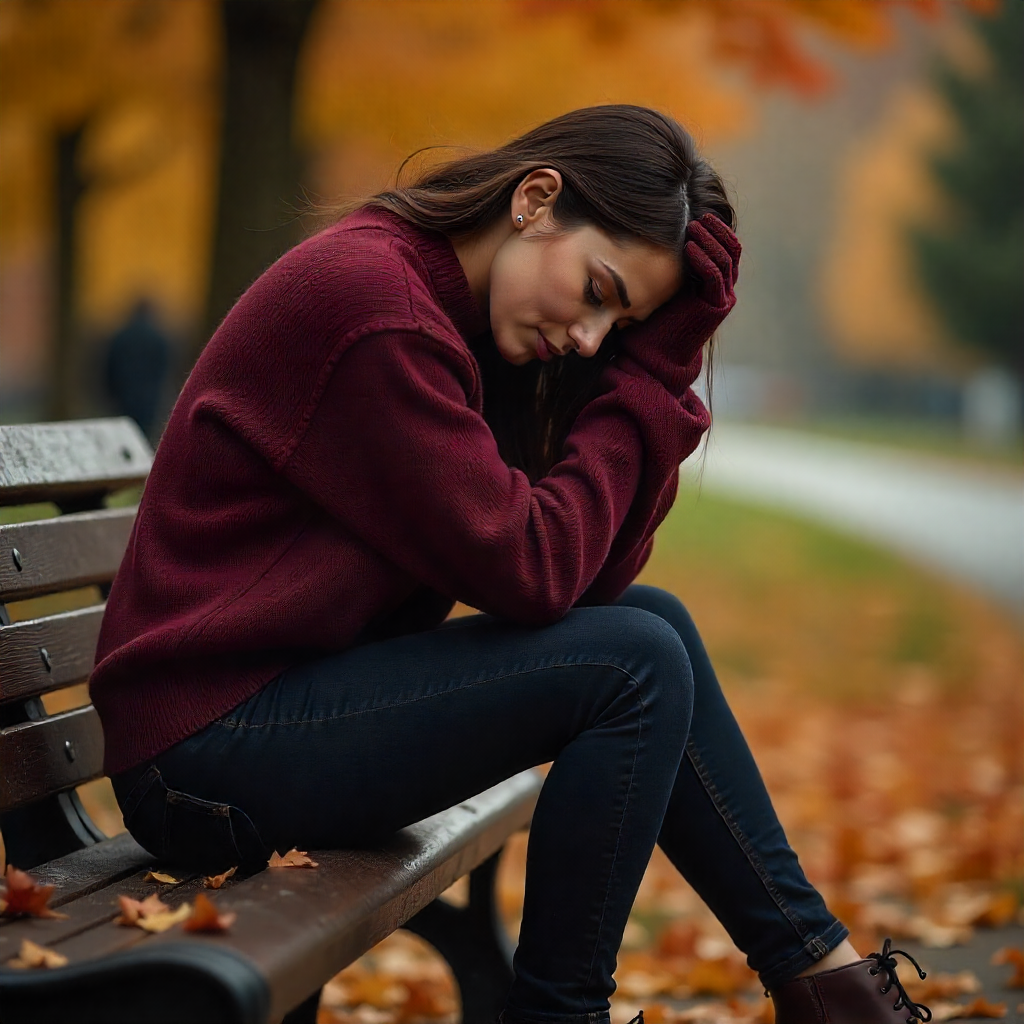
If you’ve ever clutched a hot water bottle and cursed your uterus, you’re not alone. More than 50% of women experience menstrual cramps, commonly referred to as dysmenorrhea, during their monthly cycle. But here’s the good news: you don’t have to suffer through it. Whether your cramps are mildly annoying or downright debilitating, there are several ways to ease the pain without relying solely on painkillers. From soothing teas and stretches to food swaps and hormone-balancing tips, this guide is your go-to resource for finding relief, naturally.
Understanding
Menstrual cramps usually start one or two days before your period and peak within the first few days of bleeding. The uterus contracts to help shed its lining, and this contraction is triggered by prostaglandins—hormone-like substances that cause pain and inflammation. The more prostaglandins your body produces, the stronger your cramps can be. For some, the discomfort is mild and manageable. For others, it can be absolutely draining.
There are two types of period pain: primary dysmenorrhea, which refers to common menstrual cramps not associated with any underlying condition, and secondary dysmenorrhea, which results from medical issues like endometriosis, fibroids, or pelvic inflammatory disease.
Natural Remedies
When you want to ditch the pills and turn to more holistic methods, herbal remedies are your best friends. Certain teas have natural anti-inflammatory and antispasmodic properties that calm the uterine muscles.
Chamomile tea helps reduce muscle spasms and promotes relaxation, thanks to its calming properties. Ginger tea is one of the most researched options for menstrual pain—it helps lower prostaglandin levels and works similarly to over-the-counter pain relievers. Peppermint tea, on the other hand, is fantastic for reducing bloating and soothing your digestive system, which often gets cranky during your cycle.
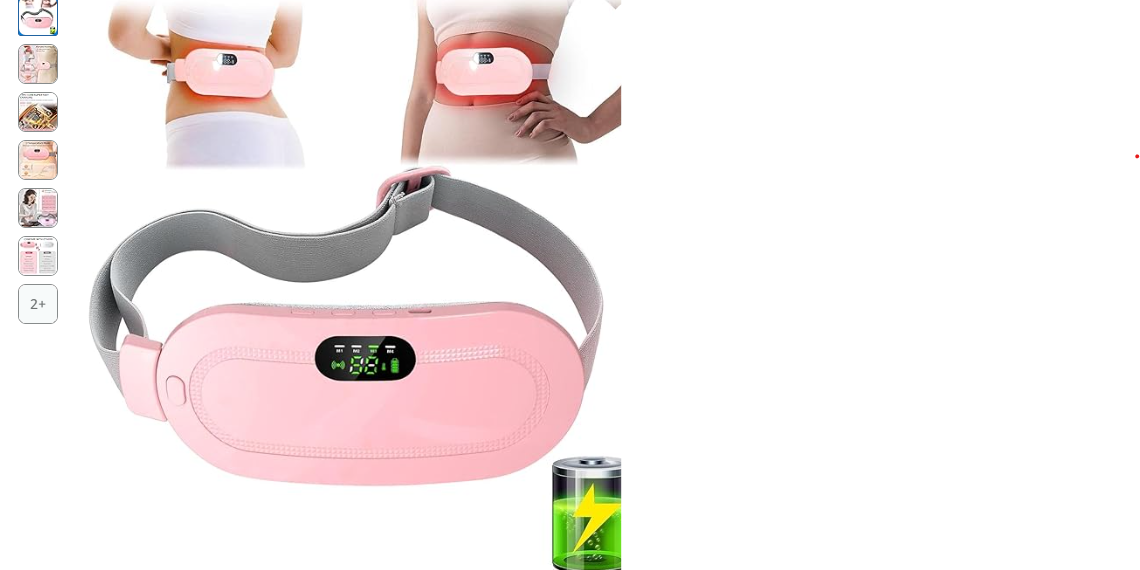
Heat therapy remains a timeless and effective solution for menstrual cramps. Placing a warm compress or heating pad on the lower abdomen enhances circulation and helps relax tight muscles. Even a warm bath or hot towel can help you feel better within minutes.
Lifestyle Hacks to Ease Cramps
Your everyday habits can play a huge role in how your period feels. Getting regular exercise, even if it’s just light walking or stretching, increases circulation and releases endorphins—your body’s natural painkillers. Think of them as a gentle internal massage for your uterus.
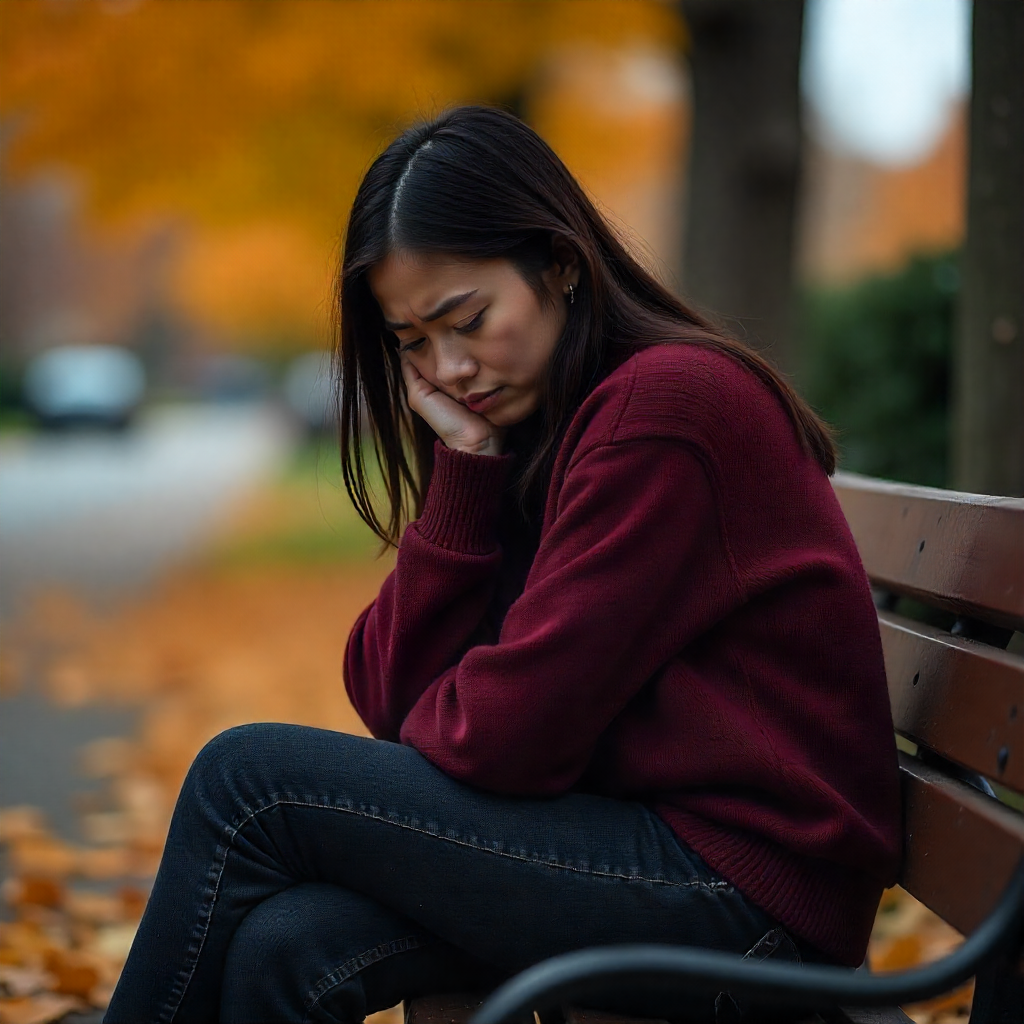
Don’t underestimate the power of quality sleep, either. Getting enough restful sleep allows your body to cope more effectively with pain and reduce inflammation. Aim for at least 7–8 hours of good sleep, especially the night before your period begins.
And don’t forget the basics—drink water! Staying hydrated helps prevent bloating and reduces the intensity of cramps. Warm water is even better during your period, as it promotes blood flow and relaxes your muscles.
Diet Changes for Period Pain Relief
An anti-inflammatory diet rich in leafy greens, berries, turmeric, nuts, seeds, and whole grains can help keep your pain levels down. These foods work by reducing overall inflammation in the body.
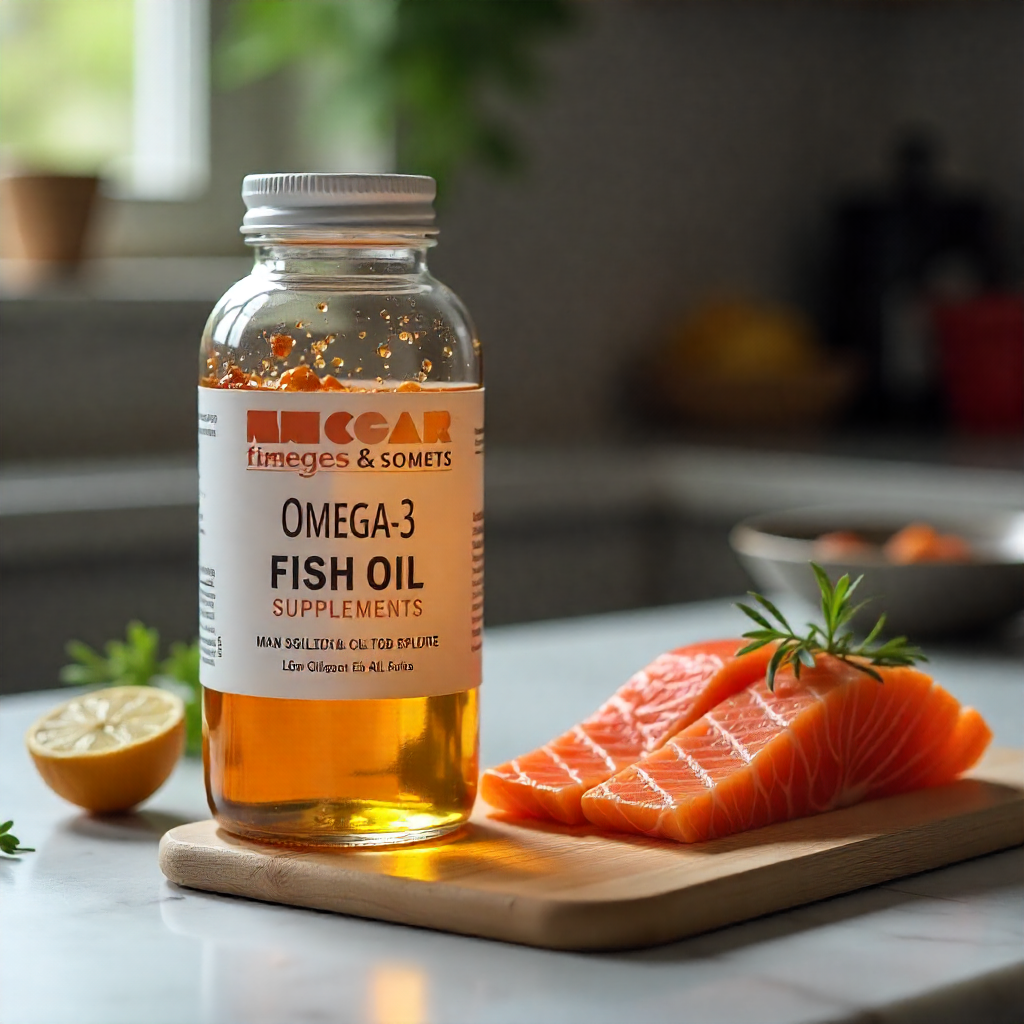
Magnesium-rich foods like bananas, almonds, and spinach are muscle relaxants and can ease cramping. Meanwhile, omega-3 fatty acids—found in fatty fish like salmon and flaxseeds—have been shown to significantly reduce menstrual pain in many studies.
On the flip side, try to avoid processed foods, caffeine, sugar, and salty snacks. They tend to cause bloating, water retention, and inflammation—all of which make your period feel worse.
The Power of Yoga and Stretching
Gentle yoga during your period can do wonders for both your body and mind. Certain yoga poses are excellent for relieving tension in the pelvic area and enhancing circulation.
The Child’s Pose is excellent for relaxing your lower back and hips—areas that tend to hold tension during menstruation. The cat-cow stretch effectively relieves lower back tightness and promotes greater spinal flexibility.
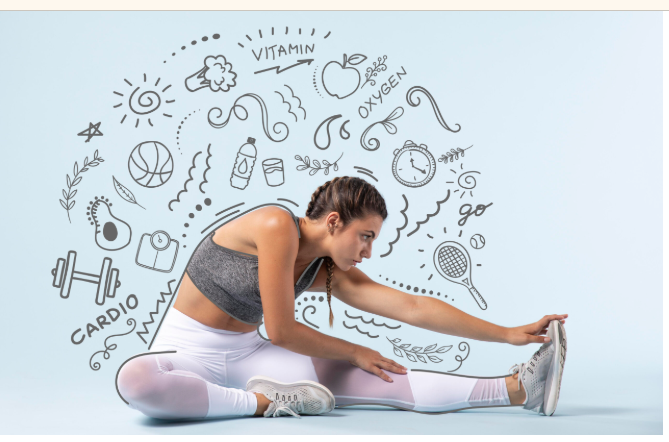
The Reclining Twist opens up the abdomen and supports digestion, relieving that heavy, bloated feeling.
Even 10–15 minutes of yoga during your period can leave you feeling more balanced and relaxed.
Over-the-Counter Options
While natural remedies are great, sometimes a little pharmaceutical help is necessary. NSAIDs like ibuprofen or naproxen work by blocking prostaglandins and are often more effective than acetaminophen.
If you have a predictable cycle, consider taking an NSAID the day before your period starts. Taking these medications in advance can significantly lessen the severity of menstrual cramps when they begin.
Supplements for Hormonal Balance
Balancing your hormones naturally can help reduce both cramps and PMS symptoms.
Magnesium is a go-to supplement for many women—it helps with relaxation, sleep, and reducing muscle tension. Vitamin B6 supports mood and reduces bloating and irritability. Evening primrose oil, rich in gamma-linolenic acid (GLA), has been shown to help balance hormones and reduce breast tenderness and menstrual cramps.
Before starting any supplement routine, speak with a healthcare provider to make sure it’s right for your body.
Emotional and Mental Self-Care
Let’s not forget the emotional rollercoaster that often comes with period pain. Hormonal shifts can cause mood swings, anxiety, and fatigue. During this time, emotional self-care becomes just as important as physical care.
Consider journaling to track your thoughts and feelings, or try guided meditation to center your mind and relieve stress. Even something as simple as lighting a candle and practicing deep breathing can have a calming effect.
When to See a Doctor
If you’ve tried every trick in the book and still feel like your cramps are running your life, it may be time to speak with a healthcare provider. Intense, persistent period pain could be a sign of endometriosis, adenomyosis, fibroids, or PCOS
Watch for signs like pain that lasts more than 3 days, bleeding through pads or tampons every hour, or pain that prevents you from working or attending school.
Holistic Practices That Help
Don’t underestimate the power of holistic healing methods. Acupressure, for example, has been used for centuries to relieve menstrual cramps. Applying pressure to specific points on the lower leg, abdomen, or hands can ease discomfort.
Aromatherapy with essential oils like lavender, clary sage, and eucalyptus also supports relaxation and reduces pain. Blend a few drops with a carrier oil and softly massage it onto your lower abdomen for relief.
Period Pain Myths Debunked
Let’s clear up a few misconceptions. First off: “Being in severe pain is just part of the deal.” Actually, it’s not. . While mild cramping is common, severe, life-disrupting pain is not and needs to be investigated.
Second: “Your cramps will go away as you get older.” For some, yes. But for others, symptoms actually worsen with age due to developing conditions like fibroids or hormonal imbalances.
Menstrual Products That Help Reduce Pain
Your choice of period products can actually affect your level of discomfort. Many women who switch to menstrual cups report fewer cramps—possibly because there’s no absorbing material drying out the vagina or added chemicals.
Opting for organic pads or tampons can also reduce irritation and support your body’s natural pH balance.
Creating a Period Relief Routine
If your cramps hit hard every month, try creating a dedicated period care kit. Fill it with heat packs, soothing herbal teas, essential supplements, and personal comfort essentials you love. Also, use an app to track your cycle, so you know when symptoms are likely to appear.
Creating rituals like these gives your body a sense of routine and control, which can reduce both anxiety and pain.
Empowering Women Through Education Knowledge.
Curious about an unexpectedly powerful way to relieve pain? It’s time we ditch the shame around talking about periods. The more we share and educate, the more we normalize care and comfort during menstruation.
If you’re a parent, teacher, or sibling, take the time to support the younger girls in your life. Help them understand what’s normal and what’s not, and teach them natural remedies early on.
Conclusion.
With the right mix of self-care, dietary changes, exercise, and supportive tools, you can reclaim your energy and comfort every month. Listen. Menstrual cramps are frequent, but they shouldn’t be something you simply accept as normal. You deserve a period experience that’s calm, empowering, and pain-free.
FAQs
What is the best home remedy for period cramps?
Applying a heating pad to the lower abdomen, drinking ginger tea, and doing light yoga are effective and safe home remedies.
Can exercise really reduce menstrual pain?
Yes! Physical activity releases endorphins and improves circulation, which naturally eases cramps.
What foods worsen period pain?
Caffeine, salty snacks, processed foods, and sugary treats can all worsen inflammation and bloating during your period.
When should I worry about period pain?
If your cramps are severe, last more than 3 days, or interfere with your daily life, see a gynecologist to rule out underlying issues.
Are menstrual cups better than pads for reducing cramps?
Some users report fewer cramps with menstrual cups due to the lack of chemicals and internal suction. It varies by individual.