

Discover natural remedies, tips, and prevention methods to beat a cold and cough fast. This complete guide covers symptoms, causes, treatment, and more in simple terms.

Table of Contents
Understanding Cold and Cough
What is the Common Cold?
The common cold is a viral infection of the upper respiratory tract. It mainly affects the nose and throat. Though usually harmless, it can be a real nuisance, especially when it hits during a busy week. You’ll notice sneezing, congestion, and maybe a sore throat. It’s a widespread issue that can impact individuals across all age groups.
How It Spreads
Duration and Recovery
Typically, colds last around 7 to 10 days. The first 2-3 days are the worst, with symptoms gradually easing off afterward. Some people may experience lingering fatigue or a cough even after the infection is gone.
What is a cough?
It can be dry or wet (productive). While it’s often a symptom of a cold, it could also be a sign of something more serious if it persists.

Types of Cough
Dry Cough: Irritating and tickly. No mucus.
Wet Cough: Produces phlegm or mucus.
Whooping Cough: Intense coughing fits. Caused by bacteria.
Chronic Cough: Lasts more than 3 weeks. Requires medical attention.
When It Becomes Serious
If your cough is persistent and accompanied by fever, chest pain, or blood, seek medical help immediately. It could be a sign of a more serious condition, such as bronchitis or pneumonia.
Causes of Cold and Cough
Viral Infections
Most colds and coughs are caused by viruses like rhinoviruses, coronaviruses, and respiratory syncytial virus (RSV). These invade your body and multiply in your respiratory tract.
Environmental Triggers
Pollution, smoke, dust, and sudden weather changes can irritate your throat and nasal passages, causing coughing and congestion.
Weakened Immune System
Insufficient sleep, high stress levels, poor diet, and hidden health issues can weaken your immunity and increase your risk of infections.

Signs and Symptoms
Common Cold Symptoms
Sneezing
Runny or stuffy nose
Sore throat
Mild fever
Fatigue
Headache
Cough Symptoms
Tickling sensation in the throat
Frequent coughing fits
Mucus production (in wet cough)
Chest discomfort
Hoarseness or sore throat
When to See a Doctor
Seek medical attention if:
You have a fever above 102°F (39°C)
Symptoms persist beyond 10 days
You experience chest pain or difficulty breathing
The cough is accompanied by blood
Home Remedies for Cold and Cough
Warm Fluids and Soups
Drinking warm liquids soothes the throat, keeps you hydrated, and helps loosen mucus. Try comforting options like chicken soup, soothing herbal teas, or a warm drink made with lemon and honey for natural relief.
Steam Inhalation
Inhaling steam can relieve congestion. Add essential oils like eucalyptus or peppermint for added relief.
Honey and Ginger Mix
Combine one teaspoon of honey with freshly extracted ginger juice and consume it twice daily. This mixture provides gentle relief and natural antimicrobial properties.
Turmeric Milk
Turmeric is anti-inflammatory and boosts immunity. Stir half a teaspoon of turmeric into a glass of warm milk and enjoy it at bedtime for soothing relief.

Saltwater Gargle
Rinsing your throat with warm salt water can provide relief from soreness and help break down thick mucus.
.
Lifestyle Tips to Recover Faster
Rest is the Best Medicine
Let your body heal. Avoid strenuous activities. Sleep at least 7-8 hours to give your immune system time to fight the infection.
Hydration is Key
Drink at least 8-10 glasses of water. Dehydration worsens symptoms and delays recovery Add a dash of lemon juice or some fresh mint leaves to give your drink a crisp, refreshing flavor boost.
Eat Immunity-Boosting Foods
Include fruits like oranges and kiwis (rich in vitamin C), garlic (natural antibacterial), spinach, and almonds (vitamin E) in your meals.
Avoid Smoking and Alcohol
These irritate the respiratory system and weaken immunity. Stay away from them while recovering.

Over-the-Counter Medications
Decongestants and Lozenges
Nasal sprays and throat lozenges offer temporary relief. Use sprays for no more than 3-4 days to avoid rebound congestion.
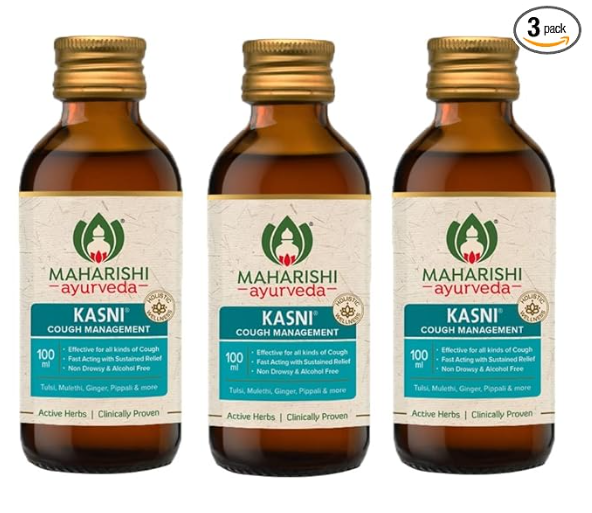
Cough Syrups
Use suppressants for dry cough
Use expectorants for wet cough
Always follow dosage instructions and consult a pharmacist if unsure.
Prevention of Cold and Cough
Maintain Hygiene
Wash your hands frequently
Use hand sanitizers
Avoid touching your face
Disinfect frequently-touched surfaces
Boost Your Immune System Naturally
Exercise regularly
Sleep well
Manage stress
Take immune-supportive supplements like Vitamin C, Zinc, and Probiotics if needed
When Cold and Cough Become Chronic
Allergies or Asthma
Persistent symptoms could be due to allergic rhinitis or asthma. Get tested and follow treatment plans.
Seek Medical Diagnosis
If colds and coughs become frequent, it could be due to an underlying issue such as sinusitis, GERD, or even tuberculosis. Timely diagnosis can prevent complications.
conclusion
Coughs and colds may be common, but they shouldn’t be underestimated. Early care, natural remedies, and preventive habits make a huge difference. Focus on immunity, personal hygiene, and getting enough rest. Let your body fight the infection with a bit of help from nature and modern medicine.
Is cold weather the main reason people get sick?
Not exactly. Viruses thrive in cold, dry air, and we tend to stay indoors more, increasing the chance of transmission
Should I take antibiotics for a cold?
No. Colds are viral, and antibiotics only work on bacterial infections
How do I treat a persistent cough after a cold?
Sip on warm fluids, inhale steam, and consider using natural or over-the-counter cough syrups. If your symptoms persist for more than three weeks, consult a doctor to check for any underlying issues
What is the best natural remedy for a sore throat?
Honey and warm water or ginger tea work wonders. Gargling with saltwater also gives quick relief.
Can colds and coughs be prevented entirely?
While you can’t prevent them 100%, good hygiene and a strong immune system significantly lower your risk