

Table of Contents

Though monsoon has its own beauty, it can be quite demanding when it comes to maintaining healthy skin. The increased humidity, unpredictable rain showers, and constant dampness can make your skin act out in strange ways. Whether it’s sudden breakouts, fungal infections, or greasy skin that refuses to cooperate, monsoon brings its own set of skin troubles. But don’t worry, this guide is your ultimate companion for glowing, healthy skin during the rainy season. From essential tips to Ayurvedic secrets, you’re about to learn how to care for your skin the right way during monsoon 2025
What Makes Your Skin Misbehave During the Season
The high moisture levels in the air during monsoon stimulate your skin’s oil glands, causing them to release more oil—particularly if you have oily or combination skin. The result is greasy, sticky skin that feels unpleasant and looks shiny. On top of that, the polluted rainwater and increased exposure to environmental toxins can clog your pores and irritate your skin.
The warm and humid environment during monsoon provides ideal conditions for bacteria and fungi to thrive. That’s why people tend to experience a spike in fungal infections like athlete’s foot, ringworm, and even fungal acne during the rainy season. If you’re seeing more breakouts than usual, you’re definitely not imagining things.
Understanding Your Skin Type in the Rainy Season
Each skin type reacts differently to monsoon. If you have oily skin, you might notice an increase in breakouts due to overactive oil glands. Dry skin, though it may feel better with the added humidity, can still suffer from flaky patches and irritation post-shower. Understanding how your skin behaves in this weather is the first step to treating it right.

Essential Monsoon Skin Care Tips
The most important rule in monsoon skincare is cleansing. Clean your face twice a day with a mild, sulfate-free cleanser to get rid of oil and dirt. However, don’t overdo it—aggressive washing can strip your skin of its natural barrier and make it more vulnerable. Hydration is essential, so go for a lightweight, water-based moisturizer that doesn’t clog pores. Always opt for non-comedogenic products; they’re less likely to trigger breakouts.
Exfoliation—Do It Right!
Exfoliation clears away dead skin cells that tend to accumulate more quickly in humid conditions. However, it’s important not to exfoliate too often. Exfoliating twice weekly is all that’s needed. Use gentle, natural scrubs like oatmeal mixed with honey or coffee blended with yogurt. They do more than just cleanse—these also calm the skin, easing irritation and restoring radiance.
Face Masks to Try
Masks made from clay, such as Multani Mitti blended with rose water, work exceptionally well for those with oily or combination skin. They absorb excess oil and tighten pores without drying out the skin. Neem and turmeric packs are ideal if you’re struggling with acne or fungal issues, as both ingredients have powerful antibacterial properties that cleanse the skin deeply and leave it refreshed.
Why Hydration Still Matters
Just because it’s raining doesn’t mean your body is getting enough hydration. You might not feel thirsty, but your skin still needs water to flush out toxins and stay plump. Drink at least 8–10 glasses of water daily, and increase your intake of water-rich fruits and vegetables like watermelon, cucumber, celery, and oranges. These foods not only hydrate but also provide vital nutrients that enhance your skin’s natural glow.
Sunscreen is Not Just for Summers
Believe cloudy skies mean you can ditch the sunscreen? .Think again. UV rays are sneaky and can easily penetrate clouds. The result? Skin damage, premature aging, and dark spots. Use a gel-based or matte-finish sunscreen with SPF 30 or above every single day, rain or shine. Look for non-greasy formulas with zinc oxide or titanium dioxide for best results during the monsoon.
Makeup Tips for the Monsoon
Less is more during monsoon. Ditch heavy, creamy foundations that melt away with the humidity. Instead, use lightweight BB creams or tinted moisturizers. Always choose waterproof eyeliner, mascara, and lip products to avoid embarrassing smudges in the rain. The goal is to keep your look fresh and breathable.

Common Monsoon Skin Problems and Solutions
Monsoon is notorious for triggering skin problems. Acne flares up due to excess oil and bacteria. Treat it with gentle cleansers and spot treatments containing salicylic acid or tea tree oil. Fungal infections, particularly in areas like feet, underarms, or between thighs, can be prevented by wearing breathable fabrics and using antifungal powders. Dealing with dull skin? Add vitamin C serum to your routine—it brightens your complexion and protects it against harmful environmental factors.
Ayurvedic Monsoon Skin Care Remedies
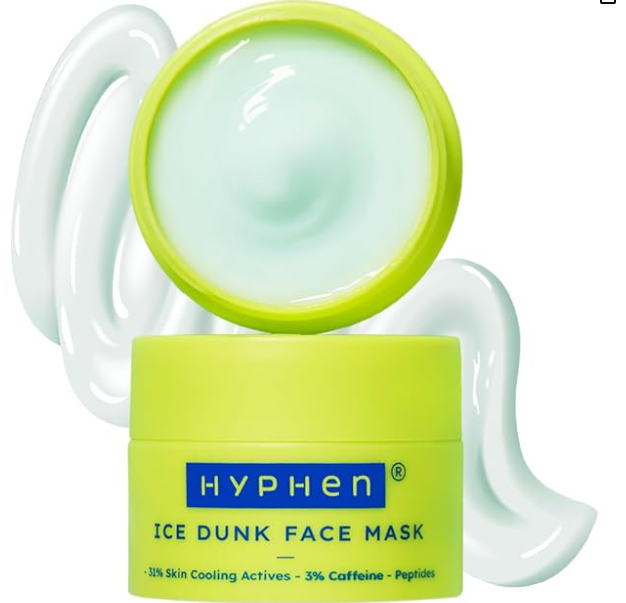
Ayurveda has some amazing remedies for the rainy season. Try using a turmeric and milk cleanser to gently exfoliate and detox your skin. This not only brightens the complexion but also fights bacteria. Aloe vera gel combined with sandalwood powder makes a cooling, soothing face pack that reduces irritation and redness. These natural methods are simple, effective, and free of chemicals.
Monsoon Night Skincare Routine
Your skin does most of its repair work at night, making your evening skincare routine especially important. Begin with a two-step cleaning method, initially using an oil-based cleanser to remove impurities. Next, use a moisturizing serum—preferably one containing hyaluronic acid—to help seal in hydration. Don’t forget your under-eye area. A caffeine-based eye cream can reduce puffiness and dark circles while you sleep.
Foods That Promote Skin Glow in Monsoon
You are what you eat—and this couldn’t be more true for skin care. Eat foods rich in omega-3s like flaxseeds, walnuts, and chia seeds to combat inflammation. Also, add leafy greens like spinach, kale, and broccoli to your meals, as they’re packed with antioxidants that soothe redness and enhance your skin’s defense and hydration.”

DIY Monsoon Toners and Mists
Make your own refreshing face sprays at home. A cucumber and mint facial mist cools the skin and reduces redness. Green tea combined with lemon juice makes an excellent toner that tightens pores and prevents acne. These DIY options are not only budget-friendly but also free of harmful chemicals.
Monsoon Skin Care for Men
Guys, you need skincare too! If you have oily skin, choose products that control oil without drying you out. If you have facial hair, don’t ignore beard hygiene—wash it regularly and apply beard oil to keep it soft and infection-free. Scalp care is also crucial; use an anti-fungal shampoo if you notice itchiness or dandruff.
Conclusion
Taking care of your skin during the monsoon season doesn’t have to be complicated. It’s all about being consistent and making small adjustments to suit the weather. From choosing the right products to eating skin-loving foods, every little effort counts. Follow the tips in this guide, and your skin will stay clear, healthy, and glowing all season long—rain or shine.
What’s the best natural remedy for acne in monsoon?
Neem and turmeric packs are excellent for treating acne naturally during the rainy season due to their antibacterial properties.
Is it okay to exfoliate daily in monsoon?
Not recommended. Exfoliate 1–2 times a week with a gentle scrub to avoid damaging your skin barrier
My skin feels sticky all the time. What should I do?
Switch to gel-based skincare products and cleanse your face twice a day. Also, use blotting sheets to manage excess oil during the day.
What diet helps maintain healthy skin during monsoon?
Include water-rich fruits, omega-3 fatty acids, and antioxidant-rich greens. Stay hydrated and avoid oily, fried foods
Can I skip sunscreen during monsoon?
No, you shouldn’t. Use a lightweight, non-greasy sunscreen daily.