

Introduction
Protein plays a vital role in nearly every function of the human body, from building muscle to supporting immunity. In 2025, understanding how much protein you truly need has become more precise, thanks to advances in science and personalized nutrition. Whether you’re active, trying to lose weight, or simply aiming to stay healthy .
Why Protein is So Important in 2025
Protein is one of the main nutrients your body needs, along with carbs and fats. It’s made of amino acids, which help repair muscles, boost your immune system, produce important enzymes, and build tissues. Since your body can’t store protein like it does with fat or carbs, getting enough every day is really important.
In 2025, figuring out how much protein you need is easier than ever. New tools let you track your metabolism, activity, and muscle mass, so you can get protein recommendations that are personalized just for you.
my openion
Scientific Advantage
Recent years have brought remarkable shifts in how we approach intake. The rise of AI-based health tracking and nutritional genomics has made it easier to personalize requirements based on body type, activity levels, and even genetics.
One key insight in 2025 is the importance of its quality. Not all proteins are created equal. s contain higher levels of essential amino acids—like leucine—which plays a key role in promoting muscle protein synthesis. Researchers also emphasize the timing of protein intake. Instead of consuming large amounts in a single meal, evenly distributing protein across the day enhances absorption and efficiency.
Additionally, there’s a growing focus on sustainability. Environmentally friendly sources like plant-based protein, lab-grown meats, and even insect proteins are gaining popularity, offering viable alternatives to traditional animal-based products.
How Much Protein Do You Really Need in 2025
Traditionally, the Recommended Dietary Allowance (RDA) it has been set at 0.8 grams per kilogram of body weight. Although this amount is sufficient to prevent deficiency, it may not be adequate for optimal health or performance. It’s far from ideal for most people in 2025—especially those who are active or older.
Modern science recommends different intakes based on lifestyle and goal
Sedentary adults: 0.8 to 1.0 g/kg of body weight
Active individuals: 1.2 to 1.6 g/kg
Athletes: 1.6 to 2.2 g/kg
Older adults (50+): 1.2 to 1.5 g/kg
Weight loss (caloric deficit): 1.6 to 2.4 g/kg
Muscle gain (bulking): 2.0 to 2.5 g/kg
For instance, if you weight 70 kg and are moderately active, your ideal intake might be between 98 and 112 grams per day. This personalized approach ensures that your protein consumption supports your lifestyle and health goals.
Breaking Down Common Myths
Despite advancements in nutritional science, several protein myths still linger in 2025.
One persistent myth is that high protein intake damages the kidneys. In reality, this is only a concern for individuals with pre-existing kidney conditions. For healthy people, higher consumption is safe and often beneficial.
Another widespread misconception is that your body can only absorb 30 grams of protein per meal. While muscle it synthesis may cap at a certain level per meal, your body continues to utilize excess protein for other functions such as enzyme creation and tissue repair.
Finally, some people believe that plant-based protein is inferior because it’s not complete. While some plant sources lack one or two essential amino acids, combining different plant proteins—like rice and beans—ensures a complete profile that rivals animal protein.
Calculating Your Needs in 2025
Determining your daily requirement is easier than ever. Here’s a three-step method to get a quick estimate:
Step 1: Change your weight from pounds to kilograms by dividing it by 2.2.
Step 2: Choose a multiplier
Select a number based on your lifestyle (e.g., 1.2 for active maintenance, 2.0 for bulking).
Step 3: Multiply
Take your weight in kilograms and multiply it by the protein factor that matches your goal.
For example, a 75 kg person looking to lose fat might multiply 75 by 1.8, equaling 135 grams per day.
Top Sources to Consider in 2025
Thanks to innovation in the food industry, there’s a wider variety of protein sources available today than ever before.
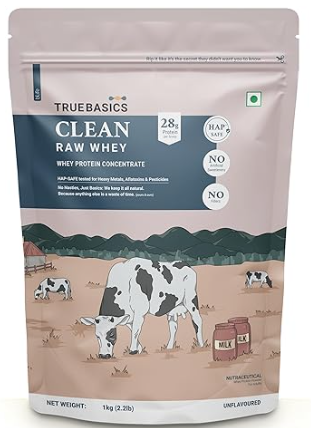
Animal-based sources remain popular for their complete amino acid profiles. These include eggs, chicken breast, fish (especially salmon and sardines), lean beef, Greek yogurt, and whey protein powder.
Plant-based proteins are equally valued—especially in vegan and vegetarian diets. Lentils, quinoa, tofu, tempeh, edamame, hemp seeds, chia seeds, and oats are all rich in protein and fiber. New plant-based protein powders made from peas, rice, and soy are excellent alternatives to whey.
Emerging protein options in 2025 include mycoprotein (a fungus-based protein), cricket flour, mealworm snacks, lab-grown meats, and rich algae like spirulina. These not only offer nutritional benefits but also support sustainability goals.
When Should You Eat? Timing Tips
Timing plays a crucial role in how your body uses it. A balanced approach throughout the day is recommended.
Breakfast: Starting your day with-rich meal helps stabilize blood sugar levels and supports muscle maintenance after the overnight fast.
Pre-workout: Consuming this protein before exercise can enhance endurance and reduce muscle fatigue.
Post-workout: This is one of the most critical times for intake. Consuming 20–40 grams of high-quality protein within 30–60 minutes post-workout maximizes muscle repair and recovery.
Before bed, digests slowly helps repair muscles through the night and minimizes muscle loss while you sleep.
Specialized Diets
In 2025, many individuals are following unique diet plans that require thoughtful protein integration.
Plant-based and vegan diets often need a higher total protein intake (about 20% more) to compensate for lower digestibility. Combining grains with legumes—like rice and lentils—ensures a full amino acid profile.
Older adults are encouraged to increase it intake to counteract age-related muscle loss (sarcopenia). Dairy, eggs, and legumes high in leucine are particularly helpful.
Those aiming for fat loss benefit from high-protein diets, which enhance satiety, help preserve lean mass, and reduce cravings during caloric deficits.

Is There a Risk of Too Much
For most people, consuming it above the RDA is safe and beneficial. However, intakes exceeding 3 grams per kilogram of body weight daily over prolonged periods could lead to minor side effects such as digestive discomfort, dehydration, or a nutrient imbalance if other macronutrients are neglected.
A diet rich in varied whole foods will provide the protein you need without excessive reliance on supplements.
Do You Really Need Supplements
Protein powders offer a practical solution for individuals with hectic lifestyles, elevated protein requirements, or restricted access to nutritious meals. Still, they are not essential for everyone.
Whey protein remains a popular and effective choice, especially post-workout. Casein is slower to digest, making it ideal before bedtime. Plant-based protein powders provide a great alternative for vegans and individuals who are sensitive to dairy products. Collagen supplements are now widely used for joint, skin, and gut health.
Use supplements as a support tool, not as a primary source.
As science and technology evolve, so do our nutritional needs and guidelines. In 2025 it intake should be personalized, purposeful, and balanced. It’s not just about hitting a daily number; it’s about the type of protein you consume, the timing, and how it aligns with your personal goals.
Conclusion:
Whether you’re trying to gain muscle, lose fat, improve athletic performance, or age healthfully, understanding your ideal intake is one of the most powerful tools for achieving long-term wellness.
FAQ’s
Can damage your kidneys?
Not unless you have an existing kidney condition. In people with no underlying health issues, consuming more protein is considered safe
Is good for fat loss?
Yes. Protein helps reduce hunger, boosts metabolism, and preserves lean muscle mass during weight loss.
What’s the best time to eat ?
Spread your intake across the day, with special focus on post-workout and before sleep for optimal results.
Is plant protein enough?
Yes, with proper planning. Combining different plant proteins ensures you get all essential amino acids.