

Introduction
Every parent knows that mornings with young kids can feel like a rollercoaster—emotions, chaos, and coffee all before 8 a.m. But what if we told you that a structured, calm, and productive morning routine is possible—even with toddlers and early elementary kids? Creating a predictable morning routine not only makes life smoother for you, but it sets your child up for success emotionally, physically, and mentally.
Let’s explore how to build the perfect morning routine for kids ages 3 to 8—step by step, in a way that’s fun, realistic, and totally doable.
Meta description
Learn how to create a stress-free, fun and effective morning routine for kids aged 3 to 8. This step-by-step morning routine guide helps parents build habits that encourage independence, calm, and confidence every day.
Understanding the Age Group (3–8 Years)
Developmental Stages and What to Expect
Kids between the ages of 3 and 8 are growing rapidly—in body and mind. At this age, they:
Thrive on routine and repetition
Need guidance but also crave independence
Respond well to visuals and gentle reminders
Understanding these characteristics is key to crafting a routine that fits their world.
My personal openion
A morning routine for kids aged 3 to 8 should be simple, joyful, and consistent. I’ve noticed that when mornings start calmly—with enough sleep, a gentle wake-up, and a healthy breakfast—children feel happier and more focused all day. Instead of cramming too many tasks, I believe parents should focus on the basics: hygiene, eating well, and leaving the house with a smile. Small habits, done daily, build discipline and confidence in the long run.
Step-by-Step Guide for morning routine
Step 1: Establish a Consistent Wake-Up Time
Kids function best when their body clock is predictable. Encourage a consistent wake-up time daily. This helps regulate sleep and makes the whole routine smoother.
Tip: Use a child-friendly wake-up clock like Hatch Rest that uses gentle lights and sounds to make mornings calm and enjoyable.
Step 2: Incorporate Gentle Wake-Up Techniques
Avoid yanking the blanket or shouting. Try:
Soft music
A little back rub
Whispering their name or turning on natural light
The key is transitioning gently from sleep to awake mode.

Step 3: Create a Visual Routine Chart
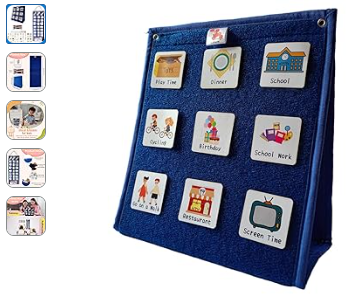
Visuals work wonders. A simple poster with images for each task—brushing teeth, getting dressed, eating breakfast—gives kids autonomy.
Bonus: Let them put a sticker on each completed task. It sparks inspiration and gives a deep feeling of achievement.
Step 4: Personal Hygiene Made Fun
Brushing teeth, washing faces, and combing hair can feel like chores—unless you gamify them. Use a fun toothbrush with a timer, sing a hygiene song, or let them choose their towel and soap scent.

Expert’s View
According to child development experts, a morning routine helps children aged 3 to 8 build a sense of security, independence, and responsibility. Dr. Laura Markham, a parenting specialist, often emphasizes that predictable routines reduce anxiety in young kids and make daily transitions smoother. Experts suggest focusing on essentials—like proper sleep, calm wake-ups, balanced breakfasts, and playful learning moments—because these not only shape healthy habits but also support emotional growth and school readiness.
Step 5: Dress-Up Time—Encourage Independence
Lay out two clothing options the night before. Give your child the power to choose. This builds confidence and reduces morning arguments.
Pro tip: Use a “days of the week” clothing organizer to prep clothes in advance.
Step 6: Nutritious & Kid-Friendly Breakfast Ideas
You don’t need to whip up a gourmet meal every morning. Just keep it:
Balanced: Include protein, fiber, and healthy fats
Easy: Think smoothies, scrambled eggs, fruit, or whole-grain toast
Fun: Use cute plates or breakfast bento boxes
Visit Kids Eat Right for healthy, age-appropriate ideas.
Step 7: Quiet Time or Bonding Moment
Before the rush kicks in, carve out 5–10 minutes to sit, cuddle, or read a short story. It grounds your child emotionally and helps start the day with love and connection.
Step 8: Learning or Skill-Based Morning Activity
A short 5-minute puzzle, counting game, or alphabet song activates your child’s brain and can ease the transition to school.
Step 9: Prep for School or Daycare:
Pack your school bag the night before
Check the bag
Pick their snack
Put on their shoes
It builds responsibility.
Step 10: Goodbye Rituals for a Smooth Transition
A special goodbye ritual—like a secret handshake, hug, or phrase—helps reduce separation anxiety and sends them off with confidence.
Tools and Resources to Simplify Mornings
Apps, Charts & Timers
Brili Routines—Customizable routines with visual timers
Time Timer—Helps kids understand time with visual countdowns
Chore Charts—Use apps like OurHome or printable checklists
Role of Technology (With Limits!)
Screens in the morning? Use with caution. If you do, keep it educational and short. Apps like Khan Kids or ABCmouse can be helpful.

Common Mistakes Parents Make & How to Avoid Them
Too Much Talking: Kids don’t process long instructions when sleepy. Keep it short.
No Transition Time: Rushing creates stress. Leave buffer time.
Skipping Breakfast: It’s essential—never skip it.
Doing Everything for Them: Encourage independence early.
Real-Life Sample Routines (By Age)
Sample Routine for 3–5-Year-Olds
Time Activity
7:00 AM Wake up with cuddle or music
7:10 AM Bathroom & brushing teeth
7:20 AM Get dressed (with help)
7:30 AM Eat breakfast
7:50 AM Read a short book
8:00 AM Pack bag & head out
Sample Routine for 6–8-Year-Olds
Time Activity
6:45 AM Wake up with light & music
7:00 AM Wash up & get dressed
7:15 AM Prepare breakfast with a parent.
7:35 AM Do a short puzzle or journaling
7:50 AM Pack school bag & review checklist
8:00 AM Leave with goodbye ritual
Getting Your Child Involved in the Process
Ask your child:
What’s the first thing you’d love to start your day with?
Which toothbrush or cup do you like?
Want to decorate your routine chart?
Giving them a voice creates buy-in.
Adapting the Routine for Weekends & Holidays
Weekends can be more relaxed—but don’t abandon all structure.
Make special breakfast together
Replace school prep with play or an outing
How to Stay Consistent Without Feeling Overwhelmed
Prep as much as possible the night before
Use checklists and visual cues
Give yourself grace—some mornings will go off track
You’re raising little humans, not robots.
Conclusion
Creating the perfect morning routine for kids ages 3 to 8 doesn’t mean having a rigid schedule—it’s about building a predictable, loving rhythm that meets their developmental needs. When mornings start with calm, connection, and a bit of fun, it sets the tone for a successful day—for both you and your little one.
FAQs
Can I use screen time as part of the routine?
Yes, but limit it. Opt for short, educational content, and only after key tasks are done
What time should a 5-year-old wake up?
Most 5-year-olds need 10–13 hours of sleep. If bedtime is 8 PM, wake-up time should be between 6 and 8 AM.
How do I get my child to follow a morning routine?
Use visual charts, offer choices, praise their effort, and make the process playful
What if my child is not a morning person?
Start with extra time, wake gently, and create a slow-paced start. Gradually build momentum.
Are morning routines different for boys and girls?
Not really. Focus more on personality and developmental stage than gender differences.