

Meta Description
Enhance the secrets to sharper thinking with this complete guide to memory improvement. Discover how the brain stores information, explore foods, exercises, and habits that boost recall, and learn science-backed tips for students, professionals, and anyone who wants better focus and stronger memory.
What is Memory
Memory is the brain’s ability to record, store, and retrieve information when needed. It allows you to recall meaningful experiences, recognize familiar faces, and keep track of daily tasks. Without it, life would feel disjointed and incomplete, as memory shapes both identity and learning.
Types of Memory
Sensory Memory
This is the brain’s instant filter that captures sights, sounds, and other sensory input for just a split second. It acts like a temporary buffer, similar to how a computer’s RAM holds quick-access data.
Short-Term Memory
Short-term memory is like a mental notepad. It temporarily holds small amounts of information—such as a phone number—long enough for immediate use. Unless repeated or stored, this information quickly disappears.
Long-Term Memory
This is the brain’s deep storage system, where important facts, life events, and learned skills are preserved. It can last from days to decades, allowing you to build knowledge, habits, and personal history.

How Memory Works
The Neuroscience of Memory
Memory functions through networks of neurons that communicate via synapses. When experiences are repeated, the connections between these neurons strengthen, making it easier to recall information. In simple terms, the more often your brain uses a pathway, the stronger and more reliable that memory becomes.
Brain Regions Involved in Memory
Several parts of the brain work together to manage memory. The hippocampus helps form new memories, the amygdala links emotions to those memories, and the prefrontal cortex supports short-term recall and decision-making. Each region plays a distinct role, ensuring we can learn, feel, and act based on past experiences.
The Memory Formation Process
Memory is built in three key stages. Encoding happens when the brain takes in information, such as reading a page or listening to someone speak. Next comes storage, where the brain organizes and preserves that data. Finally, retrieval allows you to access what you’ve learned whenever it’s needed.
Factors That Affect Memory
Age and Cognitive Decline
As people grow older, brain volume gradually decreases and blood circulation slows, leading to changes in memory and cognitive sharpness.
Stress and Sleep Deprivation
Chronic stress raises cortisol levels, while poor sleep disrupts brain function. Together, they significantly weaken concentration and memory retention.
Nutrition and Brain Health
Food choices directly impact brain performance. Processed foods and excess sugar can impair memory, while omega-3s, antioxidants, and proper hydration nourish the brain and keep it functioning at its best.
Foods That Improve Memory
Best Brain Foods
Omega-3s (fatty fish, walnuts)—build brain cells.
Antioxidants and Brain Health
Foods rich in antioxidants, such as berries, turmeric, and green tea, protect the brain from oxidative stress. Options like dark chocolate and whole grains also support healthy blood flow, which sharpens focus and improves mental clarity.
Foods to Avoid
Certain foods harm brain function. Sugary drinks, refined carbohydrates, and trans fats interfere with communication between brain cells, reducing focus and memory capacity. Choosing whole, nutrient-dense foods keeps your mind sharper.
My personal openion
I believe memory is more than recall—it’s the key to learning, creativity, and staying connected to life. Simple habits like regular exercise, mindfulness, eating brain-friendly foods, and challenging the mind with reading or puzzles can make a huge difference. Technology helps, but it shouldn’t replace natural memory. In my view, improving memory is a lifelong practice that keeps the mind sharp and the spirit alive.
Exercises and Habits to Enhance Memory
Physical Exercise
Regular movement improves circulation, delivering more oxygen and nutrients to the brain. Even a daily 30-minute walk can enhance memory and overall cognitive health.
Mental Workouts
Challenging the brain with puzzles, chess, Sudoku, or memory-training apps helps strengthen neural connections and keep your mind agile.
Meditation and Mindfulness
Practicing mindfulness lowers stress, promotes relaxation, and even increases gray matter in the brain—factors that contribute to stronger memory.
The Power of Reading
Reading stimulates the brain by forming new neural pathways, expanding vocabulary, and reinforcing memory recall over time.
Technology and Memory
Is Google Making Us Forgetful?
Relying too much on phones or search engines can weaken natural recall. While it’s convenient, overdependence risks reducing our brain’s ability to store and retrieve information.
Using Tech Wisely
Technology can be a tool for memory improvement when used correctly. Apps like Evernote, reminder systems, and digital flashcards can support learning without replacing the brain’s natural abilities.
Memory-Boosting Techniques
The Method of Loci
An age-old strategy, this technique uses visualization and location-based memory. By linking information to familiar places—like rooms in your house—you can mentally walk through and recall details with ease.
Chunking and Visualization
Breaking information into smaller groups and pairing them with vivid images makes recall much simpler. It’s a proven way to remember large amounts of data.
Spaced Repetition & Mnemonics
Reviewing information at increasing intervals—using tools like Anki or flashcards—strengthens long-term memory. Adding mnemonics helps turn complex ideas into simple, memorable cues.
Memory and Learning
Tips for Students
Boost retention by teaching concepts to others, creating colorful notes, using flashcards, and building mind maps for better understanding.
Study Techniques That Stick
Practice active recall and spread study sessions over time. Avoid cramming—it overwhelms the brain and weakens memory.
Improving Memory at Any Age
Childhood to Teen Years
Encouraging curiosity and interactive learning early lays the foundation for lifelong memory skills.
Adults and Midlife
Keep the brain challenged by learning new languages, picking up instruments, or developing fresh skills.
Seniors and Aging Gracefully
Stay socially connected, keep learning, and stay physically active to maintain memory strength in later years.
Memory Loss: When to Be Concerned
Warning Signs
Persistent forgetfulness, losing track of familiar places, or repeating the same questions may indicate deeper issues.
When to Seek Help
If memory lapses begin affecting daily life, consult a doctor. These symptoms could point to dementia, Alzheimer’s, or other cognitive conditions.
Supplements for Memory Improvement
Do Nootropics Work?
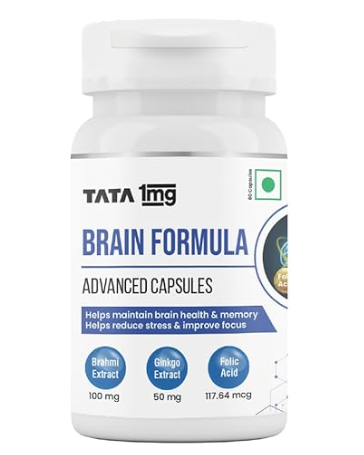
Herbs like Ginkgo Biloba and Bacopa Monnieri have shown potential for memory support, though results vary. Synthetic “smart drugs” should be approached with caution.
Natural vs. Synthetic Options
Always consult a healthcare professional before trying supplements. Natural herbs may support memory, but it’s essential to be aware of possible side effects and interactions.
Real Stories: People Who Transformed Their Memory
A man named Nelson Dellis went from having an average memory to becoming a 4x USA Memory Champion using simple techniques like visualization and practice. If he made it happen, there’s no reason you can’t too
conclusion
Memory is far more than the ability to recall facts or events—it is the foundation of who you are. It preserves your life experiences, fuels creativity, and allows you to keep learning and growing. A strong memory helps you stay confident, productive, and connected to the world around you. By nurturing your brain through proper nutrition, exercise, mindfulness, and mental challenges, you give yourself the tools to stay sharp and focused.
No matter your age, it’s never too early—or too late—to improve memory. Children build the base of lifelong learning, adults benefit from staying mentally active and curious, and seniors can protect cognitive health by staying socially and physically engaged. With the right habits, supplements (when guided by professionals), and continuous learning, you can maintain a vibrant, healthy mind. Remember, strengthening your memory isn’t just about recall—it’s about enriching your quality of life, preserving your independence, and keeping your inner spark alive.
FAQ’S
Can memory be improved at any age?
Yes, your brain is plastic, meaning it can be changed and grow at any stage of life with th right habit.
What’s the most effective technique to improve memory?
Spaced repetition combined with visualization techniques like the method of loci offers the best result.
How does stress affect memory?
Chronic stress raises cortisol, which damages the hippocampus—the brain’s memory center.
Are memory supplements safe?
Natural ones like ginkgo and omega-3s are generally safe, but always consult a doctor before starting any new supplement.
How long does it take to see improvements?
With consistent practice and lifestyle changes, improvements take 2-4 weeks.