


A healthy body isn’t built overnight—it depends on small daily choices. One of the smartest choices is eating foods rich in antioxidants. These natural compounds work like a protective shield, defending your cells from damage. They help you stay energetic, youthful, and strong from the inside.
What Are Antioxidants?
Antioxidants are natural substances found in many plant-based foods. Their main job is to fight free radicals—harmful molecules that damage cells and speed up aging.
How They Work in the Human Body
Think of free radicals as tiny sparks that damage your body. Antioxidants act like firefighters, controlling these sparks before they destroy healthy cells. This protects your organs, skin, and immune system.
What Causes Oxidative Damage?
Many everyday habits trigger free radicals:
Junk food
Pollution
Smoking
High sugar
Stress
Lack of sleep
This oxidative damage weakens immunity and can lead to serious health issues. That’s why a diet rich in plant foods becomes important.
Why Your Body Needs Antioxidants
Stronger Immunity
Your immune system fights infections, viruses, and bacteria. When cells are damaged, immunity weakens. Antioxidant-rich foods support white blood cells and make the body stronger to fight illnesses.
Slows Aging Signs
Aging is a natural process, but oxidative stress speeds it up. These powerful nutrients protect skin cells, reduce wrinkles, and keep your skin glowing and young.
Better Brain Function
Antioxidant foods improve blood flow to the brain, sharpen memory, and reduce brain fog. That’s why berries and nuts are often called “brain foods.”
Top Natural Antioxidant Foods
Fruits That Protect Your Cells
Blueberries
Strawberries
Bright and juicy strawberries are filled with vitamin C. They reduce inflammation, improve skin elasticity, and protect your immune system.
Apples.
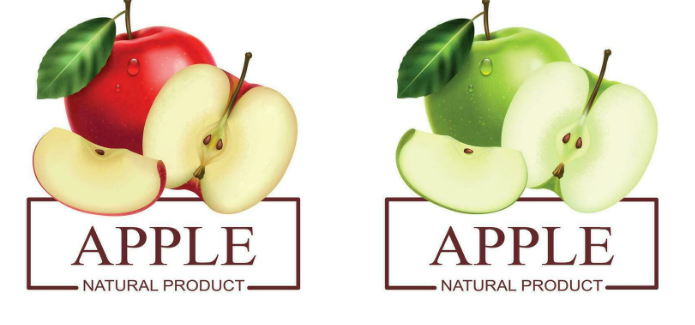
There’s a real truth behind the saying that eating an apple every day supports better health.
Apples have fiber, vitamin C, and flavonoids that help digestion, boost metabolism, and support heart health.
Grapes
Loaded with resveratrol, grapes protect blood vessels and reduce heart-related risks. They also hydrate and improve skin texture.
Oranges
Citrus fruits are known for vitamin C. They strengthen immunity, support healthy gums, and reduce tiredness.
Vegetables Loaded with Antioxidants
Spinach
A green leafy vegetable full of iron, vitamins, and antioxidants. It improves eye health, strengthens bones, and supports blood circulation.
Broccoli
A nutrient-rich veggie with vitamin C, fiber, and a compound called sulforaphane, which helps detox the body and reduces cell damage.
Carrots
Carrots are rich in beta-carotene, a pigment that the body naturally changes into vitamin A. It protects the eyes, boosts immunity, and supports skin health.
Tomatoes
Rich in lycopene, tomatoes reduce inflammation and support heart health When tomatoes are cooked, the body absorbs lycopene more effectively compared to eating them raw.
Sweet Potatoes
Sweet potatoes provide beta-carotene and vitamin C. They help skin glow, improve digestion, and support a healthy gut.
Nuts, Beans, and Seeds
Almonds
High in vitamin E, almonds support brain function, protect skin from damage, and boost energy throughout the day.
Walnuts
Known for omega-3 fatty acids, walnuts keep your heart healthy, protect the brain, and reduce inflammation.
Kidney Beans
A plant-based source of protein and fiber. Kidney beans support digestion, keep you full longer, and maintain blood sugar levels.
Sunflower Seeds
Small in size but powerful in nutrition. They contain vitamin E, magnesium, and protein for strong muscles and glowing skin.
Herbs, Drinks & Spices
Green Tea
A popular drink for weight management and relaxation. Green tea contains catechins that help protect cells and improve metabolism.

Coffee
Coffee beans naturally contain antioxidants. When consumed moderately, coffee boosts energy, alertness, and digestive activity.
Turmeric
Turmeric has curcumin, a strong compound that fights inflammation and boosts immunity. When combined with black pepper, the body absorbs it better.
Cinnamon
This sweet spice controls blood sugar, fights bacteria, and supports metabolism. Adding a pinch daily can be helpful.
How to Include These Foods in Daily Eating Habits
Smart Cooking Ideas
Add spinach to soups, curries, or smoothies
Cook tomatoes with olive oil for better nutrient absorption
Roast carrots or sweet potatoes as a healthy side dish
Use broccoli in salads, stir-fries, or steamed meals
Healthy Snack Suggestions
A handful of almonds or walnuts
Apple slices with peanut butter
Fruit salad with berries and yogurt
Roasted sunflower seeds
Drinks for Daily Routine
Replace sugary beverages with green tea
Add turmeric to warm milk
Enjoy fresh orange juice instead of packaged juices
Small choices every day create long-term benefits.
Benefits of Eating Antioxidant Foods Regularly

Better Skin & Youthful Glow
These foods protect skin cells from UV damage, pollution, and aging. Fruits like blueberries and oranges improve collagen and brighten the skin.
Good for Heart Health
Nuts, berries, and vegetables improve blood flow and balance cholesterol. They reduce inflammation, keeping the heart stronger and healthier.
Supports Digestion and Detox
Fiber-rich fruits and vegetables clean the digestive system, improve bowel movement, and remove toxins from the body.
conclusion
Your body constantly fights stress, pollution, and harmful microorganisms. Eating antioxidant-rich foods is a natural way to support the immune system, protect organs, and stay healthy. You don’t need expensive supplements—just add more colorful fruits, fresh vegetables, nuts, seeds, and herbal drinks to your meals.
A balanced lifestyle and nourishing diet can transform how you feel, look, and live
FAQs
Can I eat antioxidant foods daily?
Yes, they are safe and recommended for everyday consumption.
Do these foods improve immunity?
Absolutely. They protect cells and help the body fight infections faster.
Which fruit has the highest antioxidants?
Berries, especially blueberries, are among the top sources.
Is coffee a good antioxidant source?
Yes, in moderate amounts, coffee can offer benefits.
Do I need supplements if I’m eating antioxidant-rich foods?
Not usually. A balanced diet is enough unless a doctor suggests supplements.