

Beginning a fitness journey is one of the best decisions you can make for your body and mind. But for many beginners, the first step is confusing. Should you join a gym? Follow a diet plan? Start running? Drink supplements? Because of so much mixed advice, most people feel lost and quit in the first week.
This article explains the 5 best fitness tips for beginners in an easy-to-follow way, based on basic science and long-term results. Whether your goal is weight loss, strength, better immunity, or general health, these tips will help you start confidently.
From my own experience, I learned that walking every day makes a big difference. Even a 20–30 minute walk keeps the body active and improves mood. When I drink more water and eat less junk food, I feel lighter and more energetic.
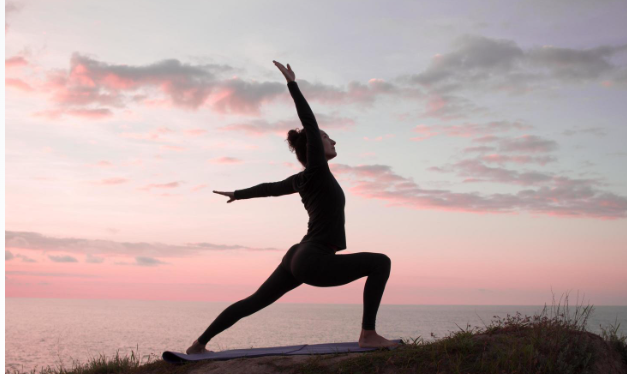
I also noticed that doing small exercises at home—like stretching, skipping, or simple yoga—keeps my body flexible and strong. You don’t need to do too much. Just do a little every day.
1. Start with Simple and Comfortable Exercises
One of the biggest mistakes beginners make is jumping into hard workouts from Day 1. This causes body pain and stress, and many people quit quickly. The best way to start is with simple and enjoyable exercises that put less pressure on the muscles and joints.
Great Exercise Options for Beginners
- Brisk walking: 20–30 minutes daily
- Light jogging: in short intervals
- Cycling: outdoor or stationary cycle
- Yoga or stretching
- Skipping
- Dance workouts
- Swimming
Why Simple Exercises Work Best
- They prevent injury
- They reduce stiffness and joint pain
- They build confidence
- They are easy to follow daily
- They suit all ages and body types
Instead of forcing yourself into tough workouts, focus on moving your body regularly. Small steps build a strong foundation for fitness.
2. Eat Balanced, Healthy Meals
Fitness is not only about exercise—your food matters more. Many beginners think they must avoid rice, oil, bread, or sweets completely. But extreme dieting is dangerous and causes weakness, mood swings, and overeating later.
Your body needs carbohydrates, protein, vitamins, minerals, and healthy fats every day. Balanced nutrition gives energy, supports muscles, controls weight, and keeps digestion smooth.
What Should a Healthy Plate Look Like?
- Protein (30–40%)
- Eggs, lentils, chicken, fish, paneer, beans, soy
- Carbohydrates (30–40%)
- Brown rice, oats, roti, potatoes, fruits, vegetables
- Healthy fats (10–15%)
- Nuts, seeds, olive oil, ghee in small amounts
- Fiber (10–20%)
- Green vegetables, salads, whole grains
Smart Eating Habits for Beginners
Eat small meals more frequently
Drink water before meals to avoid overeating
Choose home-cooked food over fast food
Limit packaged snacks, chips, and sugary drinks
Replace evening fried snacks with fruits, nuts, or sprouts
When your food is clean and balanced, exercise becomes easier and results appear faster.
3. Drink Enough Water and Stay Hydrated
Many people focus on food and workouts but forget water. Your body needs water for digestion, muscle function, joint movement, temperature control, and metabolism. If you drink less water, you may feel tired, dizzy, breathless, or unable to exercise properly.

Benefits of Staying Hydrated
- Prevents muscle cramps
- Boosts stamina during workouts
- Improves digestion and metabolism
- Removes toxins through sweat and urine
- Keeps skin healthy and glowing
- Controls hunger and reduces cravings
How Much Water Should You Drink?
On average:
- 2–3 liters per day
- More if you sweat, exercise, or live in a hot climate
A simple way to check hydration is by urine color:
- Pale yellow = good hydration
- Dark yellow = drink more water
Best Hydrating Choices
Plain water
Coconut water
Lemon water
buttermilk
Soups and fruit-infused water
Avoid too many sugary drinks like soda, energy drinks, or packaged juices—they add calories but don’t hydrate the body well.
4. Sleep Properly and Let Your Body Recover
Most beginners underestimate sleep. They exercise and eat healthy food but sleep only 4–5 hours and then wonder why they feel tired and unmotivated. Good sleep is as important as workout and diet because your body repairs itself during rest.
What Happens When You Sleep?
- Muscles rebuild and become stronger
- Hormones balance and control appetite
- The mind becomes fresh and focused
- Body removes toxins and reduces inflammation
- Stress levels drop
If you sleep less, your body produces hunger hormones that make you crave junk food. You feel lazy, skip exercise, and lose motivation.
Tips to Improve Sleep Naturally
Sleep 7–8 hours every night
Avoid screens 1 hour before bed
Eat light meals at dinner
Keep room cool and dark
Try deep breathing or meditation
A well-rested body performs better, burns fat faster, and stays active throughout the day.
5. Stay Consistent and Don’t Expect Instant Results
This is the most important fitness tip. Many beginners become impatient—they want quick weight loss or visible muscles in one week. When they don’t see fast changes, they get disappointed and quit.
But fitness is a long-term journey, not a one-week project. Results come slowly, but they stay permanently if your habits are consistent.
How to Stay Consistent
- Exercise at least 4–5 days a week
- Fix a time for workouts
- Start small and increase gradually
- Measure progress weekly (not daily)
- Avoid comparing yourself with others
- Celebrate small improvements
Even if you miss a day, don’t feel guilty. Start again the next day.
Consistency is stronger than perfection.
Small Lifestyle Habits that Support Fitness
Use stairs instead of lifts
Walk after meals
Reduce packaged food
Sleep on time
Stay active throughout the day
Fitness is built through small, daily steps, not sudden changes.
Tips
Pain, tiredness, weakness, and injuries are signs your body needs rest. Beginners often push too much and end up hurting their knees, back, or shoulders. This forces them to stop completely.
Take rest days, stretch your body, and increase intensity slowly. If something feels uncomfortable, modify the workout. Respect your body.
Conclusion
Fitness is not complicated. You don’t need to starve, buy expensive gym plans, or follow trends on social media. You simply need:
Simple exercise
Healthy food
Proper hydration
Good sleep
Daily consistency
If you follow these 5 best fitness tips for beginners, your body will slowly become stronger, lighter, healthier, and more energetic. Remember, results take time, but every healthy decision you make today brings you closer to your goal.
1. How long will it take to see results?
With regular exercise and healthy eating, you can feel changes in 3–6 weeks—better stamina, improved sleep, and inch loss.
2. Do I need a gym to get fit?
No. Home workouts, walking, yoga, and outdoor activities are enough in the beginning.
3. What is the best time to exercise?
Morning is great for energy, but the best time is when you can be consistent—morning, afternoon, or evening.
4. Can I eat my favorite foods while on a fitness journey?
Yes. You don’t need to quit everything. Just eat in moderation and avoid daily junk.
5. Should beginners take supplements or protein powder?
Not necessary. Natural foods like milk, paneer, eggs, and lentils provide enough protein. Supplements are optional.