

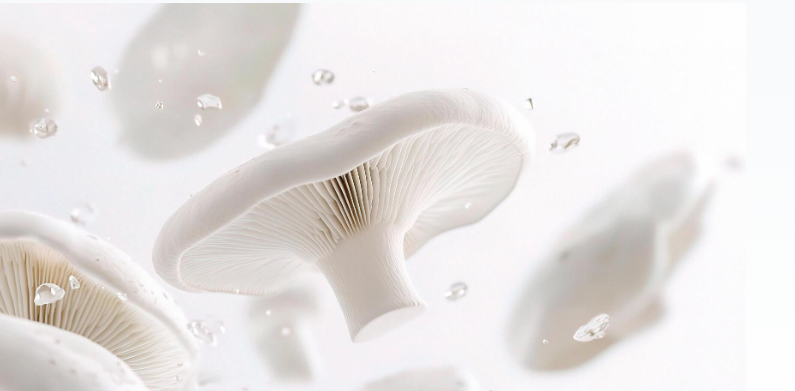
White mushrooms are among the most commonly consumed edible fungi worldwide, yet their true nutritional power often goes unnoticed. They are simple, affordable, and surprisingly rich in vitamins, minerals, and antioxidants that promote long-term health. From strengthening your immune system to balancing hormones and improving gut health, white mushrooms can do it all—if you use them the right way.
In this article, we’ll explore 3 smart, science-backed ways to use white mushrooms for maximum nutrition. You’ll also learn how to cook, store, and consume them effectively to unlock their full potential.
What Are White Mushrooms?
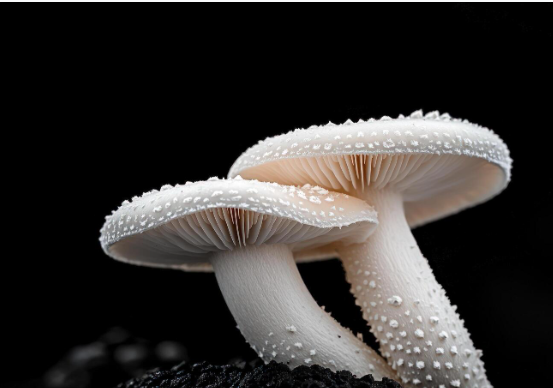
White mushrooms, also known as Agaricus bisporus, are a type of edible fungus that grows naturally in dark, humid environments. They’re often called button mushrooms when young and portobello mushrooms when mature. These mushrooms have a mild taste, making them versatile enough to blend with nearly any dish—from soups and salads to curries and pasta.
Nutritional Value of White Mushrooms
White mushrooms may appear plain, but they’re packed with essential nutrients your body needs to function optimally. A 100-gram portion of fresh white mushrooms provides the following nutrients:
Calories: 22 kcal
Protein: 3.1 g
Fiber: 1 g
Minerals: Selenium, Potassium, Phosphorus, and Copper
These nutrients play crucial roles in energy production, immune defense, and maintaining brain and skin health.
Why White Mushrooms Are a Superfood
White mushrooms are considered a functional food—meaning they provide health benefits beyond basic nutrition. They contain powerful compounds like beta-glucans, ergothioneine, and selenium, which act as antioxidants and immune boosters.

Top Health Benefits
Boost Immunity: Their polysaccharides activate white blood cells to fight infections.
Enhance Brain Health: Ergothioneine reduces oxidative stress in the brain.
Support Weight Management: Low in calories but high in fiber and protein.
Improve Bone Strength: Natural vitamin D helps calcium absorption.
Regulate Blood Sugar: Their natural compounds improve insulin sensitivity.
3 Smart Ways to Use White Mushrooms for Maximum Nutrition
While white mushrooms are healthy in any form, certain cooking and preparation methods help preserve or even enhance their nutrients. Let’s look at three scientifically proven ways to get the most out of them.
- Cooked White Mushrooms: Unlocking Nutrient Power
Cooking is one of the best ways to increase the digestibility and nutritional value of white mushrooms. Heat helps break down the cell walls of the mushroom, releasing beneficial compounds that your body can absorb more easily.
a. Best Cooking Methods for Retaining Nutrients
Grilling: Preserves antioxidants and gives a smoky flavor.
Microwaving: Retains vitamin D, B vitamins, and polyphenols.
Sautéing: Using olive oil boosts absorption of fat-soluble nutrients.
Avoid boiling or deep-frying, as these methods can destroy valuable nutrients and add unnecessary fat.
b. Delicious Recipe Ideas
Garlic Butter Sautéed Mushrooms: Quick, flavorful, and rich in antioxidants.
Mushroom and Spinach Omelet: Perfect protein-packed breakfast.
Grilled Mushroom Skewers: Ideal for a high-protein dinner option.
Cooking your mushrooms this way not only enhances taste but also unlocks compounds that support heart and liver health.
- Raw White Mushrooms: Fresh and Enzyme-Rich Nutrition
Although cooking boosts some nutrients, consuming mushrooms raw can also provide specific benefits—especially enzymes and water-soluble vitamins that are sensitive to heat.
a. How to Prepare Them Safely
Choose fresh, firm, and spotless mushrooms.
Rinse briefly under running water and pat dry with a towel.
Slice them thinly to mix into salads or green smoothies.
Avoid eating them in excessive quantities raw because they contain small traces of agaritine, a natural compound that breaks down with cooking.

b. Benefits of Eating Them Raw
Helps in detoxifying the body through natural antioxidants.
Enhances gut health due to prebiotic fiber.
Keeps enzymes and vitamin C intact.
Provides hydration and freshness, as mushrooms are nearly 90% water.
Try adding raw mushroom slices to green salads, avocado toasts, or fresh juices for a natural energy boost.
- Dried White Mushrooms: A Long-Lasting Nutrient Source
Drying mushrooms is an age-old method that not only preserves them but also intensifies their umami flavor and nutrient density.
a. How to Dry and Store Mushrooms Properly
Slice mushrooms evenly and place them in a food dehydrator or under sunlight for 8–12 hours.
Once fully dry, store in airtight glass jars to prevent moisture.
Keep in a cool, dark place—they can last up to six months.
b. How to Use Dried Mushrooms in Meals
Soak dried mushrooms in warm water for 20 minutes before using.
Use the rehydrated mushrooms in soups, gravies, or stews.
Don’t discard the soaking water—it’s full of minerals and flavor!
This method is perfect for people who want to store nutrition-packed ingredients for long-term use without refrigeration.
Smart Tips to Boost Mushroom Nutrition Absorption

Pair with Healthy Fats: Use olive oil, avocado, or ghee to improve vitamin D absorption.
Add a Squeeze of Lemon: Vitamin C enhances iron absorption from mushrooms.
Combine with Whole Grains or Eggs: Provides a complete amino acid profile for muscle health.
Avoid Overcooking: Mushrooms cook quickly; 5–7 minutes is enough to retain nutrients.
Common Mistakes to Avoid
Overwashing: Mushrooms are porous; excess water ruins texture and flavor.
Plastic Storage: Traps moisture, leading to spoilage. Use a paper bag instead.
Skipping Cleaning: Mushrooms grow in soil, so a gentle rinse is essential.
Cooking at High Heat for Too Long: This breaks down delicate nutrients.
How to Buy and Store Fresh Mushrooms
When buying mushrooms, look for smooth, firm, and white caps. Avoid any with dark spots or slimy texture. For storage:
Keep mushrooms in a paper bag in the refrigerator.
Avoid airtight containers that trap moisture.
Use within 4–5 days for best freshness.
Best Time to Eat Mushrooms
You can eat mushrooms any time of day, but morning or lunch is ideal. Including them in breakfast omelets or lunch salads helps improve energy levels, digestion, and metabolism throughout the day.

White mushrooms are more versatile and accessible than other types, making them perfect for daily nutrition.
Expert Advice on Mushroom Consumption
According to Dr. Meera Patel, Nutritionist,
“White mushrooms are one of the best plant-based sources of vitamin D. Regular consumption can support bone health, immunity, and skin glow without adding extra calories.”
Experts recommend consuming at least 3 servings per week for consistent benefits.
Personal Experience
I started using mushrooms in my meals about a year ago—mostly in breakfast omelets and lunch salads. Within weeks, I noticed better digestion and increased energy. My skin also looked clearer and more radiant. The change wasn’t drastic overnight, but consistent use made a noticeable difference.
For anyone looking to improve their health naturally, mushrooms can be a game-changer!
Side Effects
White mushrooms are generally safe for everyone, but here are a few precautions:
People allergic to fungi should avoid them.
Excessive raw consumption can lead to mild bloating.
Always clean them well to remove any soil residue.
Conclusion
White mushrooms are truly a nutritional gem—low in calories, rich in vitamins, and packed with immune-boosting antioxidants. Whether cooked, raw, or dried, these humble fungi can transform your meals and your health.
By following these 3 smart ways to use white mushrooms, you can unlock their full nutritional potential and make them a regular part of your wellness journey. Add them to your diet today and enjoy nature’s simplest superfood in every bite.
FAQs
Can I eat white mushrooms daily?
Yes, eating ½–1 cup of white mushrooms daily is safe and provides essential nutrients.
Should I cook or eat mushrooms raw for better health?
Both are beneficial. Cooked mushrooms offer better digestibility, while raw ones retain certain enzymes.
Can white mushrooms help in weight loss?
Absolutely. They’re low in calories and high in protein and fiber, which keep you full longer.
Are white mushrooms good for children?
Yes, they support brain development and immunity when added to balanced meals.