


Introduction to Coffee
Coffee is more than just a drink—it’s a global culture, a social connector, and a personal comfort for millions. Whether it’s your first sip in the morning to wake up or a slow cup enjoyed with friends, coffee has become part of everyday life. With a rich history that spans centuries, different flavors across regions, and countless brewing styles, coffee is truly a universal beverage. Let’s dive deep into its origins, types, history, cultural importance, and fascinating facts.
My personal experience
I enjoy drinking coffee not just for its taste, but also because it helps me manage my low blood pressure. Having a cup after dinner gives me a gentle boost in energy and helps stabilize my blood pressure levels naturally.
The Origin of Coffee
The Legend of Kaldi
The popular legend of coffee begins in Ethiopia around the 9th century. A goat herder named Kaldi noticed his goats became unusually energetic after eating berries from a particular shrub. Curious, Kaldi tried the berries and experienced the same boost. Local monks then used the berries to stay awake during long hours of prayer. This humble beginning set the stage for coffee’s incredible journey.
From Ethiopia to Yemen
Ethiopia is considered the birthplace of coffee. Initially, people chewed the raw beans or mixed them with animal fat to create an early form of energy bars. By the 15th century, coffee cultivation and trade began in Yemen. Here, people first roasted and brewed the beans as we know it today. Yemen became the first true coffee hub.
Spread Across the Middle East
Coffee soon spread from Yemen to Persia, Egypt, and Turkey. By the 16th century, it was deeply rooted in Middle Eastern culture. Coffeehouses, called qahveh khaneh, became popular places where people gathered to talk, exchange news, listen to music, and discuss politics.

The History of Coffee
Arrival in Europe
By the 17th century, Venetian merchants brought coffee to Europe. At first, it was met with suspicion and even called the bitter invention of Satan. But once Pope Clement VIII tasted it, he approved the drink, and coffee quickly became popular across the continent.
According to Dr. Anjali Mehra, a cardiologist, having a moderate cup of coffee after meals can help people with slightly low blood pressure by providing a temporary boost in circulation and alertness, but it should be consumed in moderation to avoid side effects.
Coffeehouses and the Age of Enlightenment
Coffeehouses sprang up in major European cities like London, Paris, and Vienna. These spots were called “penny universities” because, for the price of a cup of coffee, one could engage in intellectual debates, learn news, and exchange ideas. They played a major role in shaping business, politics, and literature.
Coffee in the Americas
Coffee plants reached the Caribbean and Latin America in the 18th century. Soon, countries like Brazil and Colombia became leading producers. Today, South America remains a global coffee powerhouse, with Brazil being the largest producer in the world.

Types of Coffee Beans
Arabica
- Accounts for 60–70% of global production.
- Known for its smooth, slightly sweet taste with hints of fruit and sugar.
- Grown mostly at high altitudes in Latin America and parts of Africa.
Robusta
- Stronger, more bitter, and higher in caffeine than Arabica.
- Common in instant coffee and espresso blends.
- Mainly grown in Africa and Southeast Asia.
Liberica
- Rare, grown mainly in the Philippines and Malaysia.
- Has a bold, smoky flavor with floral notes.
Excelsa
- A member of the Liberica family.
- Offers a tart, fruity taste that adds complexity to blends.

Popular Coffee Drinks Around the World
- Espresso: A concentrated shot of coffee that forms the base for many drinks.
- Cappuccino: Equal parts espresso, steamed milk, and foam.
- Latte: Creamy, with more milk and less foam.
- Americano: Espresso diluted with hot water.
- Turkish Coffee: Finely ground beans boiled with sugar and cardamom.
- Vietnamese Coffee: Strong Robusta coffee mixed with sweetened condensed milk, often served iced.
- Cold Brew: Steeped in cold water for hours, resulting in a smooth, low-acid drink.
Coffee-Growing Regions
Africa
- Ethiopia and Kenya produce bright, fruity, and floral coffees.
- Known as the birthplace of coffee, Ethiopia still offers some of the most unique flavors.
South America
- Brazil: The world’s largest producer, offering nutty, chocolatey beans.
- Colombia: Known for smooth, well-balanced coffee with mild acidity.
Asia-Pacific
- Vietnam: A leader in Robusta beans.
- Indonesia: Famous for earthy, bold coffee like Sumatra and Java.

Health Benefits of Coffee
- Boosts Energy and Alertness: Thanks to caffeine, coffee increases focus and reduces fatigue.
- Rich in Antioxidants: Coffee is one of the largest sources of antioxidants in the modern diet.
- Supports Brain Health: Regular consumption may reduce risks of Alzheimer’s and Parkinson’s disease.
- Aids Physical Performance: Caffeine improves stamina and endurance during workouts.
- Good for the Liver: Studies show coffee drinkers have a lower risk of liver disease.
Potential Side Effects of Coffee
- Caffeine Sensitivity: Some people experience jitters, anxiety, or a racing heartbeat.
- Digestive Issues: Coffee’s acidity can irritate the stomach.
- Sleep Problems: Drinking coffee too late in the day can interfere with sleep.
Moderation is the key. For most adults, 2–4 cups per day is safe and beneficial.
Cultural Importance of Coffee
Coffee is more than just a drink—it’s a cultural symbol.
- In Ethiopia, coffee ceremonies are a traditional ritual symbolizing hospitality.
- In Italy, espresso is a lifestyle, often enjoyed standing at a bar.
- In the Middle East, coffee is served with dates during social gatherings.
- In Japan, pour-over coffee has become an art form.
Coffee reflects community, hospitality, and connection across cultures.
Interesting Facts About Coffee
- Coffee is the second most traded commodity after crude oil.
- The word “coffee” comes from the Arabic qahwa.
- The world drinks more than 2 billion cups of coffee daily.
- Finland consumes the most coffee per person in the world.
- Espresso means pressed out in Italian, referring to the brewing method.
Sustainability and Coffee Farming
- Fair Trade Coffee: Ensures farmers receive fair wages and safe working conditions.
- Organic Coffee: Grown without harmful chemicals, protecting both farmers and the environment.
- Climate Change Challenges: Rising temperatures threaten coffee-growing regions, pushing farmers toward sustainable practices.
Consumers can help by choosing ethical brands that support sustainable farming.
Modern Coffee Trends
- Specialty Coffee Movement: Focuses on high-quality beans, single-origin coffee, and precise brewing methods.
- Third-Wave Coffee Culture: Treats coffee like wine, emphasizing tasting notes, aroma, and origin.
- Coffee and Technology: Smart coffee makers, mobile ordering apps, and AI-driven brewing have modernized coffee culture.
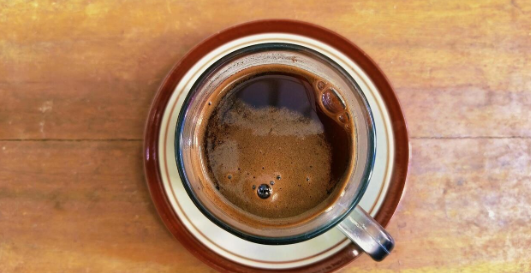
How to Brew the Perfect Cup
- French Press: Produces rich, full-bodied coffee.
- Pour-Over: Clean, aromatic, and precise.
- Espresso Machine: Strong, concentrated shots with crema.
- AeroPress: Quick, portable, and versatile.
Tips for a great brew:
- Always grind beans fresh.
- Use filtered water.
- Store beans in an airtight container.
- Experiment with brewing ratios to suit your taste.
Coffee in Everyday Life
From your morning wake-up ritual to long conversations with friends, coffee plays a role in almost every aspect of daily life. It’s a productivity booster, a comfort drink, and a social connector. No matter where you are in the world, coffee finds its place at the heart of human connection.
Conclusion
Coffee’s story is rich and fascinating—from the hills of Ethiopia to the bustling cafés of Europe, from ancient rituals to modern specialty coffee bars. It’s more than just a beverage; it’s history, culture, and lifestyle all in one cup. Whether you like it black, sweetened, creamy, or iced, coffee continues to unite people across the globe.
FAQs
Where did coffee originate?
Coffee originated in Ethiopia, with the legend of Kaldi discovering its energizing effects.
What are the main types of coffee beans?
The four key coffee bean varieties are Arabica, Robusta, Liberica, and Excelsa, each with its own unique flavor and character.
How much coffee is safe per day?
Most experts recommend 2–4 cups daily, depending on caffeine tolerance.
Which country produces the most coffee?
Brazil leads the world in coffee production, supplying more beans than any other country.
What makes specialty coffee different?
Specialty coffee focuses on high-quality beans, unique flavors, and precise brewing techniques