

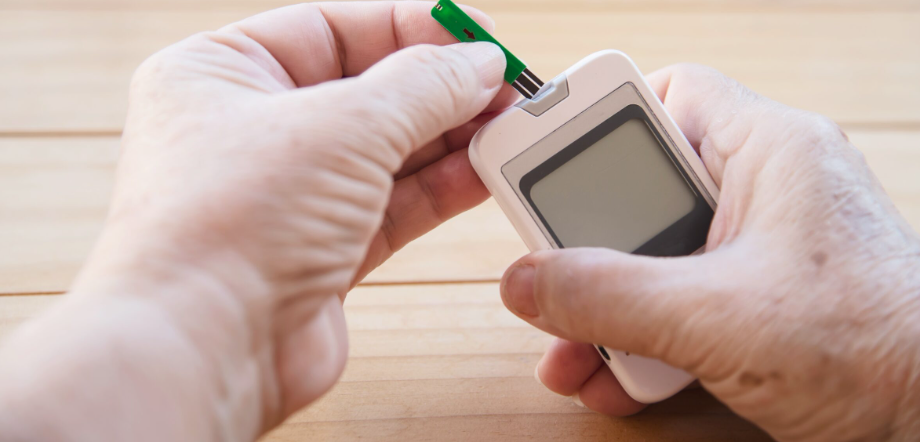
10 powerful natural ways to manage blood sugar without medicine. Learn how diet, exercise, hydration, and mindful habits help balance your glucose naturally for lasting health.
Managing blood sugar naturally is one of the best things you can do for your long-term health. High blood sugar levels can lead to fatigue, mood swings, and even chronic conditions like type 2 diabetes or heart problems.
The great news is that you don’t need to rely solely on medication. With the right foods, exercise, sleep, and lifestyle habits, you can maintain stable blood sugar naturally.
Why Natural Blood Sugar Control Matters
Balancing blood sugar naturally not only reduces the risk of diabetes but also boosts energy, supports weight management, improves focus, and prevents sudden mood changes.

1. Eat a Balanced, Fiber-Rich Diet
Why Fiber is Important
Fiber slows the absorption of sugar in your bloodstream, preventing sudden spikes. Foods high in fiber also help you feel fuller for longer, reducing overeating and sugar cravings.
Best Fiber Sources
- Oats and barley
- Beans and lentils
- Apples, pears, and carrots
- Chia seeds and flaxseeds
Start your day with a fiber-rich breakfast like oatmeal topped with fruits and seeds. This will keep your energy stable throughout the day.
2. Choose Low Glycemic Index (GI) Foods
Understanding GI Foods
The Glycemic Index (GI) measures how quickly foods raise blood sugar. Low-GI foods are digested slowly, leading to gradual sugar release.
Examples of Low-GI Foods
- Brown rice and quinoa
- Sweet potatoes
- Green vegetables
- Lentils and beans
Avoid refined carbs like white bread or sugary cereals, which can cause glucose spikes. A diet based on low-GI foods supports better insulin sensitivity and overall metabolic health.

3. Stay Physically Active Daily
How Exercise Helps
Physical activity helps your body use glucose for energy and increases insulin sensitivity. Even light activities can have a big impact when done consistently.
Best Exercises to Try
- Brisk walking for 30 minutes
- Yoga or stretching
- Dancing or cycling
- Light strength training
Try to stay active after meals, even with a short walk. Regular movement keeps your blood sugar levels stable throughout the day.

4. Manage Stress Levels Naturally
The Stress-Blood Sugar Connection
When you’re stressed, your body releases cortisol, a hormone that increases blood sugar levels. Chronic stress can therefore contribute to long-term imbalances.
Simple Stress Management Tips
- Practice meditation or deep breathing
- Spend time in nature
- Listen to calming music
- Maintain a positive mindset
Personal Opinion: I have found that evening walks and quiet meditation really help me unwind, which reflects positively in my next day’s energy and blood sugar stability.
5. Stay Hydrated Throughout the Day
Water and Blood Sugar
Water helps your kidneys flush out excess sugar from your body through urine. Being dehydrated can make your blood sugar rise faster.
Hydration Tips
- Drink 8–10 glasses of water daily
- Avoid sugary drinks or packaged juices
- Try herbal teas or infused water with lemon or mint
A well-hydrated body performs better and maintains balanced glucose naturally.

6. Get Quality Sleep Every Night
How Sleep Affects Blood Sugar
Poor sleep increases hunger hormones and decreases insulin sensitivity. This can make you crave sugary or high-carb foods, leading to higher glucose levels.
Sleep Improvement Tips
- Maintain a regular sleep schedule
- Avoid screens before bedtime
- Keep your bedroom cool and dark
- Aim for 7–8 hours of restful sleep
According to research, even one night of poor sleep can affect your blood sugar response the next day.
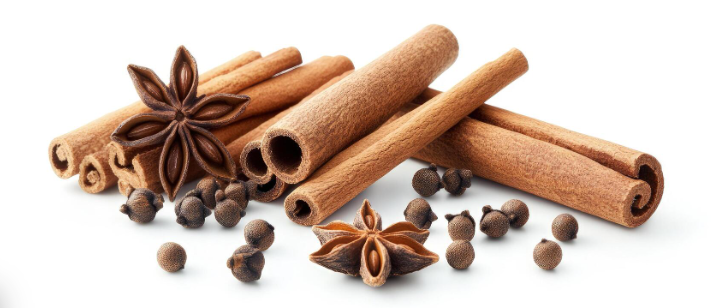
7. Add Cinnamon to Your Diet
Natural Benefits of Cinnamon
Cinnamon contains compounds that may enhance insulin sensitivity and lower fasting blood sugar. It also adds flavor without adding sugar.
How to Use It
- Sprinkle on oats or smoothies
- Mix a pinch into your tea or coffee
- Add to curries or baked dishes
Use Ceylon cinnamon (true cinnamon) for better results and lower coumarin content.
8. Control Portion Sizes
Why Portion Control Works
Even healthy foods can raise blood sugar if eaten in large portions. Eating smaller, balanced meals throughout the day helps regulate sugar absorption and digestion.
Simple Portion Tips
- Use smaller plates
- Eat slowly and mindfully
- Stop eating when you feel 80% full
Balanced meals with protein, fiber, and healthy fats can keep you full longer and maintain stable glucose levels.
9. Include Apple Cider Vinegar (ACV)
Benefits of ACV for Blood Sugar
Apple cider vinegar may help improve insulin sensitivity and lower blood sugar after meals.
How to Use
Mix 1 tablespoon of ACV in a glass of warm water and drink it before lunch or dinner. However, avoid consuming it on an empty stomach and always dilute it.
Expert Advice: People with sensitive digestion should consult their doctor before regular use.
10. Avoid Refined Sugar and Processed Foods
Why You Should Limit Refined Sugar
Refined sugar causes rapid spikes and crashes in blood sugar, leading to fatigue and cravings. Processed foods also contain hidden sugars and unhealthy fats.
Healthy Alternatives
- Replace sugar with stevia or raw honey (in moderation)
- Choose whole foods instead of packaged snacks
- Read food labels to avoid hidden sugars
Eating fresh, homemade meals is one of the most powerful ways to keep your blood sugar balanced.
Maintain Consistent Meal Timings
Eating at irregular intervals can disrupt your body’s insulin response. Try to eat meals at fixed times each day and avoid skipping breakfast. Consistency supports your metabolism and keeps sugar levels steady.
Personal Opinion
I truly believe that natural methods are the foundation of good health. Once I started focusing on hydration, mindful eating, and daily walks, my energy improved drastically. It’s not about perfection — it’s about small, sustainable lifestyle changes that your body can maintain for life.
Expert View
According to Dr. Ramesh Kapoor, Endocrinologist at Delhi Diabetes Center,
“Lifestyle changes like regular physical activity, fiber-rich food, and quality sleep are key to blood sugar management. In many cases, such habits can reduce or even delay the need for medication.”
He further adds that tracking your glucose levels and staying consistent with these practices helps maintain long-term metabolic health.
Conclusion
Managing blood sugar naturally is not a one-day process — it’s a lifestyle journey. By eating real food, moving your body, staying hydrated, and managing stress, you can keep your glucose levels stable without medicine.
These small, consistent habits can prevent diabetes, improve energy, and promote a healthier life. Start today — your body will thank you tomorrow!
FAQs
Can I really manage blood sugar without medicine?
Yes, many people successfully maintain healthy blood sugar through natural lifestyle changes—including balanced diet, exercise, sleep, and stress control. However, consult your doctor before making major changes, especially if you are on medication
Which food lowers blood sugar quickly?
Foods rich in fiber and protein—such as oats, beans, almonds, and leafy greens—help lower sugar levels naturally. Drinking water and walking after meals also help regulate glucose.
How much exercise should I do to control blood sugar?
At least 30 minutes of moderate activity (like brisk walking or yoga) most days of the week can help balance your blood sugar effectively.
Does apple cider vinegar really help with blood sugar?
Yes, studies suggest that apple cider vinegar can improve insulin sensitivity and reduce post-meal sugar spikes. Always dilute it and consume it in moderation.
How important is sleep in managing blood sugar?
Sleep is extremely important. Poor sleep affects your body’s insulin function and appetite hormones, making blood sugar harder to control. Aim for 7–8 hours of quality sleep every night
Can stress raise blood sugar levels?
Yes. Chronic stress releases cortisol, which increases blood sugar levels. Practicing relaxation techniques like deep breathing and meditation helps manage both stress and glucose.
What should I avoid to maintain healthy blood sugar?
Avoid refined sugar, processed foods, sugary drinks, and trans fats. Choose whole, natural foods and stay physically active for best results.